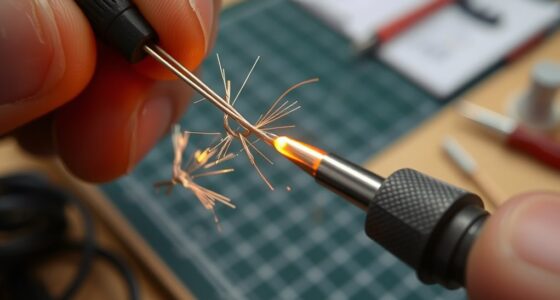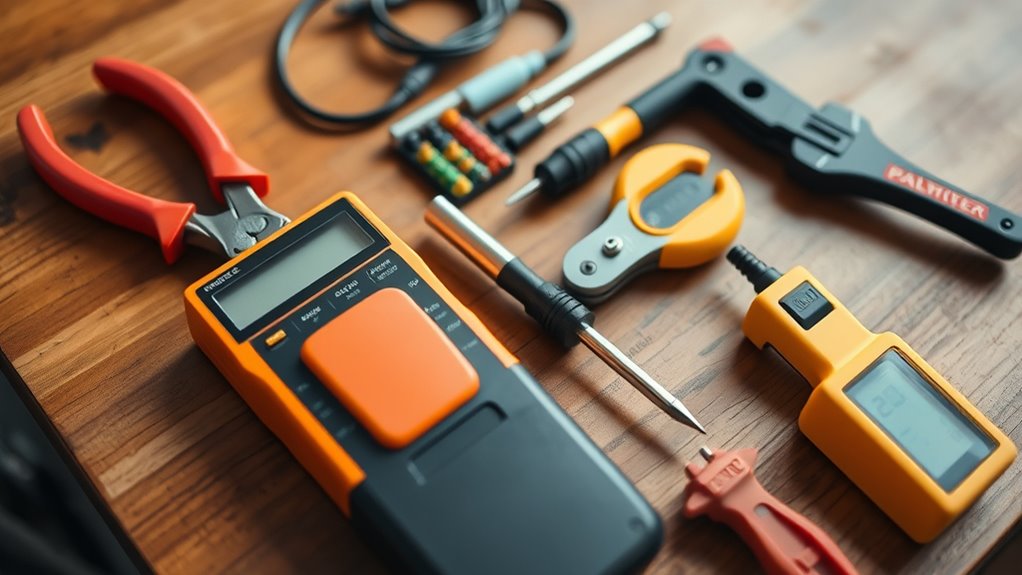

To confidently tackle electrical projects, you need five essential tools: insulated screwdrivers for safely tightening wires, needle-nose pliers for bending and reaching tight spots, wire cutters for clean cuts, adjustable wire strippers to remove insulation without damage, and a multimeter to test voltage and resistance. These tools keep you safe and guarantee a professional finish. Stay with us to discover more tips and tools to make your electrical work easier and safer.
Key Takeaways
- Insulated screwdrivers for safe terminal screw work and preventing electric shocks.
- Multimeters for accurate voltage, current, and resistance measurements during diagnostics.
- Voltage testers to quickly verify if circuits are live before starting work.
- Needle-nose pliers for bending wires, reaching tight spaces, and holding small components.
- Wire strippers with adjustable blades for clean, damage-free insulation removal on various wire gauges.

Having the right electrical toolkit is vital for anyone tackling electrical projects, whether you’re a professional or a DIY enthusiast. One of the most fundamental tools you’ll need is a quality wire stripper. This tool allows you to quickly and cleanly remove insulation from wires without damaging the conductor inside. A good wire stripper should have adjustable blades to handle different wire gauges and comfortable grips for extended use. Using the right wire stripper guarantees your connections are secure and safe, reducing the risk of shorts or failures down the line. Pair this with a reliable voltage tester, and you’ve got the basics covered for safe troubleshooting and installation. A voltage tester helps you verify whether a circuit is live before you work on it, preventing accidental shocks. Modern voltage testers are easy to use—simply touch the probe to the wire or terminal, and if it lights up or beeps, you know there’s current flowing. This simple step can save you from dangerous surprises. Additionally, understanding the importance of contrast ratio can help you select the right equipment for your electrical or multimedia needs, ensuring optimal performance and safety.
Beyond these essentials, a good set of insulated screwdrivers is vital. These tools let you tighten or loosen terminal screws safely, with insulated handles protecting you from shocks. A set that includes various sizes ensures you’re prepared for different fixtures and outlets. Along with screwdrivers, consider investing in a pair of needle-nose pliers. These are perfect for bending wires, reaching into tight spaces, or holding small components steady while you work. For cutting wires, a dedicated pair of wire cutters or diagonal pliers will give you cleaner cuts and reduce strain on your hands.
A set of multimeters can also be invaluable, especially if you want to diagnose electrical issues more thoroughly. They can measure voltage, current, and resistance, giving you detailed insights into your circuits. Don’t forget safety gear—insulated gloves and safety glasses are must-haves to protect yourself during any electrical task. Additionally, a durable toolbox to keep all your tools organized will save you time and frustration. With these essential tools—wire stripper, voltage tester, insulated screwdrivers, pliers, wire cutters, and a multimeter—you’ll have a solid foundation to handle most electrical projects safely and effectively. Having a well-stocked toolkit not only makes your work easier but also ensures you approach each task with confidence and precision.
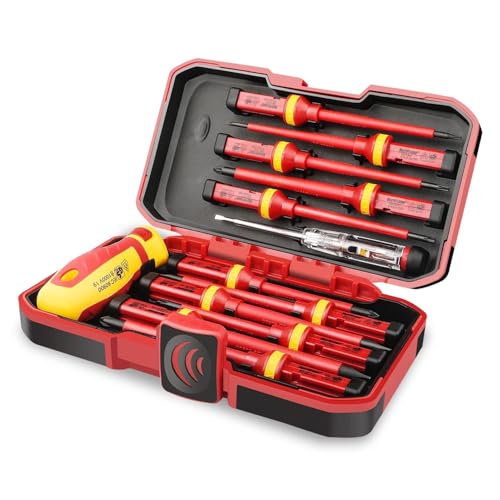
HURRICANE 1000V Insulated Electrician Screwdriver Set, 13 Piece Professional Electrical Screwdriver Set, CR-V Steel Magnetic Phillips Slotted Pozidriv Torx, Insulation VDE & GS Certified Screwdriver
Safe Certificate: VDE and GS certified guarantee safe working standards of 1000 Volts
As an affiliate, we earn on qualifying purchases.
As an affiliate, we earn on qualifying purchases.
Frequently Asked Questions
What Safety Gear Is Essential for DIY Electrical Work?
When doing DIY electrical work, you need essential safety gear like personal protective equipment. Always wear electrical glove types—insulated and rubber gloves—to protect against shocks. Safety goggles are vital to shield your eyes from sparks or debris, while a face mask helps prevent inhaling dust. Don’t forget insulating mats and flame-resistant clothing for added safety. These items guarantee you stay protected and reduce risks during electrical repairs or installations.
How Do I Choose the Right Voltage Tester?
Choosing the right voltage tester can feel like finding a needle in a haystack, but don’t worry! Start by understanding voltage tester types—non-contact, contact, and multimeters. Select the right tester by considering your project’s voltage range, safety features, and ease of use. You want a tool that’s reliable, accurate, and fits comfortably in your hand, ensuring your safety while you tackle electrical tasks with confidence.
Are There Specific Tools for Troubleshooting Electrical Issues?
Yes, you need specific tools for troubleshooting electrical issues. Use a circuit breaker tester to identify faulty breakers quickly. A multimeter helps measure voltage, current, and resistance, aiding in pinpointing problems. Wire stripping techniques are essential for safely exposing wires for connections or repairs. These tools enable you to diagnose issues efficiently, ensuring safety and accuracy during electrical troubleshooting. Always follow safety guidelines when working with electrical systems.
What Are the Best Storage Options for My Toolkit?
You should consider using a sturdy toolbox or a portable storage case to keep your tools organized. Look for options with multiple compartments for easy tool organization, making it simple to find what you need quickly. A portable storage solution with a handle allows you to carry your toolkit effortlessly from job to job. Invest in durable materials to safeguard your tools and ensure your storage lasts through multiple projects.
How Often Should I Update or Replace My Electrical Tools?
You should update or replace your electrical tools based on their tool maintenance and tool lifespan. Generally, check them annually for wear or damage, especially if you notice decreased performance or rust. Regular maintenance extends their lifespan, but if tools become dull, chipped, or broken, replace them promptly to ensure safety and efficiency. Staying vigilant helps prevent accidents and keeps your toolkit reliable for all your DIY projects.

AstroAI Digital Multimeter Tester 2000 Counts with DC AC Voltmeter and Ohm Volt Amp Meter; Measures Voltage, Current, Resistance, Continuity and Diode, Blue
Additional Tips – The following incorrect operations may cause the multimeter not to show results: Firstly, the plugs…
As an affiliate, we earn on qualifying purchases.
As an affiliate, we earn on qualifying purchases.
Conclusion
With these five essential tools, you’ll be well-equipped to handle most electrical projects safely and confidently. Some might think you need a professional for bigger jobs, but with the right toolkit, DIY is totally doable. Don’t let fear hold you back—learning and practicing these basics builds your skills and confidence. Start small, stay safe, and enjoy the satisfaction of completing your own electrical tasks. You’ve got this—happy wiring!

haisstronica Self-Adjusting Wire Stripper, 3 in 1 Stripper/Cutter/Crimping Heavy Duty Automatic Electrical Wire Strippers for 10-24 AWG
Almost Endless Applications:Just one wire stripper tool is needed for wire stripping,wire cutting and crimping jobs.Perfect for anyone…
As an affiliate, we earn on qualifying purchases.
As an affiliate, we earn on qualifying purchases.
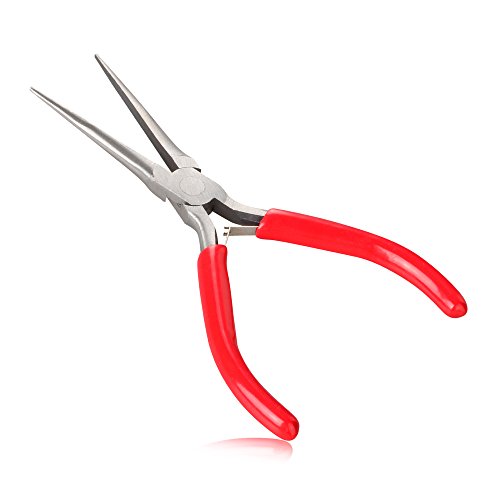
Dykes Needle Nose Pliers Extra Long Needle Nose Plier (6-Inch)
6-inch needle nose pliers with long tempered jaws for working in hard to reach areas, excellent for work…
As an affiliate, we earn on qualifying purchases.
As an affiliate, we earn on qualifying purchases.