

When choosing a speaker, you should first understand key terms like power output, which affects loudness, and frequency response, which shows sound range for clarity. Connectivity options, like Bluetooth or Wi-Fi, impact how you connect your devices. Consider size and weight for portability or placement. Knowing these terms helps you pick the right speaker for your space and needs. If you keep exploring, you’ll get even better at making smart, confident choices.

Get everyday essentials delivered free — and shop member deals
- Fast, free delivery on millions of items
- Access to Prime Big Deal Days deals on October 6–7
- Prime Video, Amazon Music and more included
Key Takeaways
- Understand the key technical specifications such as power output, frequency response, and connectivity options.
- Clarify available payment methods and financing options to budget effectively.
- Consider size, weight, and portability for suitable usage environments.
- Review product durability, warranty, and user reviews for reliability insights.
- Check compatibility with your devices and setup preferences before purchasing.
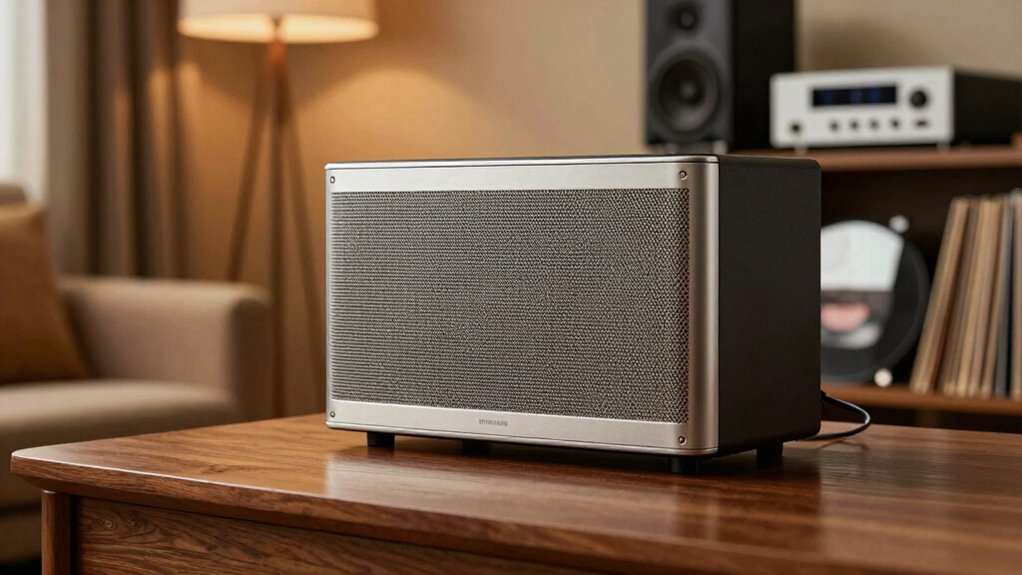
When shopping for a speaker, understanding key terms can make all the difference in choosing the right one for your needs. Two important aspects to focus on are payment options and technical specifications. Payment options refer to how you can pay for the speaker, whether it’s a one-time purchase, financing plans, or installment payments. Some sellers might offer flexible payment methods like credit cards, PayPal, or even buy-now-pay-later services. Knowing your options helps you budget effectively and avoid surprises at checkout. If you’re considering a higher-end speaker, a financing plan might make it more affordable by spreading costs over several months. Always check what payment methods are accepted before you finalize your decision, so you’re not caught off guard. Technical specifications, on the other hand, tell you what the speaker is capable of and help you determine if it matches your needs. Key specs include power output, frequency response, connectivity options, and size. Power output, usually measured in watts, indicates how loud the speaker can get without distortion. If you want a speaker for a large room or outdoor use, look for higher wattage. Frequency response shows the range of sound frequencies the speaker can reproduce. A broader range means richer sound, especially for bass and treble. Connectivity options are also essential; some speakers connect via Bluetooth, Wi-Fi, or wired connections like AUX or HDMI. Make sure the speaker has the connection types compatible with your devices. Size and weight matter if portability is a concern, so consider where you’ll use the speaker most often. Understanding technical specifications helps you compare models accurately and select one that matches your audio preferences and setup. Recognizing the importance of sound quality can also guide you in choosing a speaker that enhances your listening experience and complements your decor. Additionally, having a clear understanding of website performance metrics, such as user reviews and ratings, can assist in making a more informed purchase decision. Being aware of product durability and warranty options can also ensure your investment remains protected over time.
As an affiliate, we earn on qualifying purchases.
Frequently Asked Questions
How Do Speaker Warranties Typically Work?
Speaker warranties usually cover repairs or replacements if issues arise, like problems with wireless connectivity or power handling. You’ll typically need to register your speaker and follow specific guidelines for warranty claims. Keep in mind, warranties might not cover damage from misuse or accidents. To guarantee your speaker stays protected, read the warranty details carefully, especially sections about wireless features and maximum power handling.
What Is the Difference Between Passive and Active Speakers?
Think of passive speakers as the silent artists—they require an external amplifier to bring their sound to life, offering control over placement and tone. Active speakers, on the other hand, are self-sufficient maestros with built-in amplification, simplifying setup. For stellar sound quality, consider how speaker placement affects both types; positioning can turn ordinary sound into a symphony, whether you’re using passive or active models.
Are There Specific Speaker Terms for Different Genres?
Yes, there are genre-specific sound profiles and custom speaker features tailored for different music styles. For example, rock speakers often emphasize bass and midrange clarity, while jazz speakers focus on smooth, warm tones. When choosing speakers, look for terms like “tone customization,” “frequency response,” and “sound signature,” which indicate they’re designed for specific genres. Understanding these terms helps you pick the right speaker for your preferred music style.
How Do I Interpret Speaker Impedance Ratings?
Interpreting speaker impedance ratings is like tuning a puzzle piece to fit perfectly. You need to match the impedance rating with your amplifier’s output for best performance. Focus on impedance matching to prevent distortion or damage, and guarantee power compatibility so your system delivers clear sound without overheating or overloading. Always select speakers with impedance ratings compatible with your amplifier for safe, balanced audio performance.
What Maintenance Is Required for Long-Term Speaker Use?
To guarantee long-term speaker use, you need proper maintenance. Regularly check speaker placement to avoid exposure to dust, moisture, and extreme temperatures. Keep the area clean and well-ventilated. Also, monitor power handling to prevent overloading, which can damage the components. Periodically inspect cables and connections for wear or damage. Proper placement and respecting power limits greatly extend your speakers’ lifespan and maintain sound quality over time.
As an affiliate, we earn on qualifying purchases.
Conclusion
Understanding speaker terms is your first step to making smart audio choices. When you know what to look for, you’ll avoid surprises and find the perfect fit for your needs. Remember, “knowledge is power,” especially when it comes to buying speakers. So, take your time, do your research, and choose wisely. Your perfect sound experience is just a few informed decisions away—trust yourself to hear the difference.
As an affiliate, we earn on qualifying purchases.
As an affiliate, we earn on qualifying purchases.
Halloween Picks
halloween
As an affiliate, we earn on qualifying purchases.