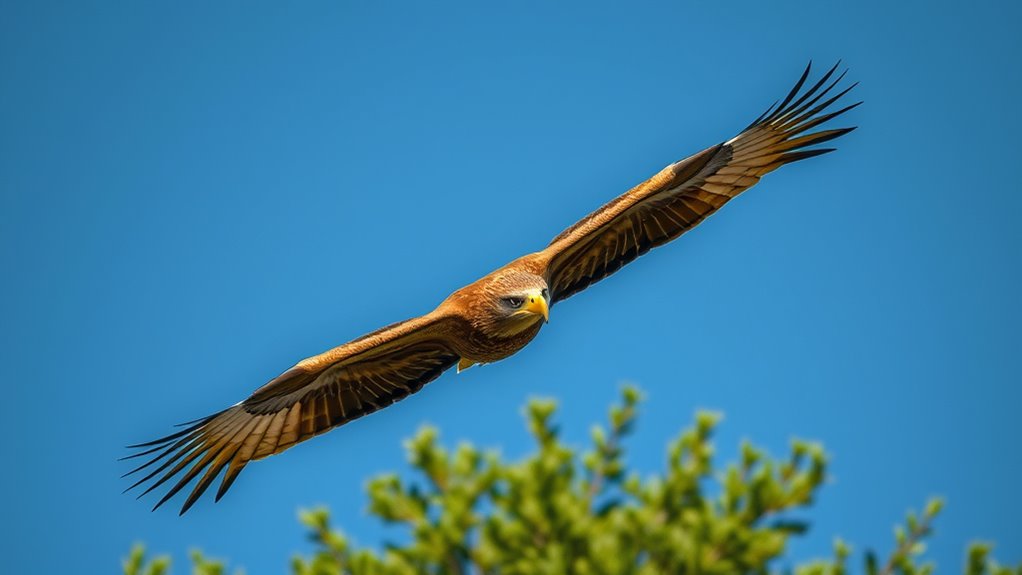

Choosing the right telephoto lens for wildlife photography involves balancing reach, image quality, and portability. The Canon RF 200-800mm F6.3-9 IS USM stands out as the best overall pick for its versatility and autofocus performance. For those on a budget, the Canon EF 100-400mm f/4.5-5.6L IS USM offers excellent image quality at a lower price point. Meanwhile, the Sigma 150-600mm F5-6.3 Contemporary provides extended reach for wildlife enthusiasts willing to compromise slightly on weight. The main tradeoffs in this category are between maximum zoom range, image stabilization, and ease of use—that’s what makes choosing a telephoto lens for wildlife photography so nuanced. Continue reading for a detailed breakdown of each option to find your best fit.

Get everyday essentials delivered free with Prime
- Fast, free delivery on millions of items
- Prime Video, Amazon Music and more included
- Member-only deals all year
Key Takeaways
- Top-ranked lenses balance zoom range with image stabilization to handle unpredictable wildlife movement.
- Premium models often offer faster autofocus and better build quality, but at a higher cost.
- Extended zoom ranges, like 600mm and above, are essential for capturing distant wildlife but typically add weight and expense.
- Entry-level options can deliver good results but may lack advanced features like image stabilization or fast autofocus.
- Compatibility with your camera system and ease of handling are critical for success in wildlife photography.
| EF/EF-S 420-800mm F8.3 Telephoto Zoom Lens for Canon DSLR Cameras |  | Best Manual Zoom for Distant Wildlife | Focal Length: 420-800mm | Maximum Aperture: f/8.3 at 420mm, f/16 at 800mm | Mount Compatibility: Canon EF/EF-S | VIEW ON AMAZON | See Our Full Breakdown |
| High-Power 500mm/1000mm f/8 Manual Telephoto Lens for Canon EOS DSLR Cameras |  | Best High-Magnification Fixed Focal Length | Focal Length: 500mm / 1000mm | Maximum Aperture: f/8 | Mount Compatibility: Canon EF | VIEW ON AMAZON | See Our Full Breakdown |
| Canon RF 100-400mm F5.6-8 IS USM Telephoto Lens for EOS R Series |  | Best Versatile Zoom with Stabilization | Focal Length: 100-400mm | Maximum Aperture: F5.6-8 | Image Stabilization: Yes, up to 5.5 stops | VIEW ON AMAZON | See Our Full Breakdown |
| JINTU 420-800mm f/8.3 Manual Telephoto Zoom Lens + T-Mount for Canon EOS Cameras |  | Best Budget Manual Long-Range Zoom | Focal Length: 420-800mm | Maximum Aperture: f/8.3 | Minimum Aperture: f/16 | VIEW ON AMAZON | See Our Full Breakdown |
| Canon RF 75-300mm F4-5.6 Telephoto Zoom Lens for EOS R Series |  | Best Budget Zoom for EOS R Series | Focal Length: 75-300mm | Maximum Aperture: F4-5.6 | Compatibility: Canon EOS R Series | VIEW ON AMAZON | See Our Full Breakdown |
| Canon RF 200-800mm F6.3-9 IS USM Super-telephoto Zoom Lens for Mirrorless Cameras |  | Best Overall Telephoto Zoom for Wildlife on Mirrorless Systems | Focal Length: 200-800mm | Maximum Aperture: F6.3-9 | Compatibility: Mirrorless cameras with RF mount | VIEW ON AMAZON | See Our Full Breakdown |
| Canon EF 75-300mm f/4-5.6 III Telephoto Zoom Lens |  | Best Budget-Friendly Telephoto for Learners | Focal Length: 75-300mm | Maximum Aperture: f/4-5.6 | Lens Construction: 13 elements in 9 groups | VIEW ON AMAZON | See Our Full Breakdown |
| Canon EF 100-400mm f/4.5-5.6L IS USM Telephoto Zoom Lens for Canon SLR Cameras |  | Best for High-Quality Wildlife with Extenders | Focal Length: 100-400mm | Maximum Aperture: f/4.5-5.6 | Image Stabilization: Yes, 2 modes | VIEW ON AMAZON | See Our Full Breakdown |
| Canon RF 200-800mm f/6.3-9 IS USM Lens Bundle |  | Best for Versatile Wildlife and Travel Photography | Focal Length: 200-800mm | Maximum Aperture: f/6.3-9 | Lens Mount: Canon RF | VIEW ON AMAZON | See Our Full Breakdown |
| Sigma 150-600mm F5-6.3 Contemporary DG OS HSM Lens for Canon |  | Best for Versatile, Affordable Super-Telephoto Shooting | Focal Length: 150-600mm | Maximum Aperture: f/5-6.3 | Lens Mount: Canon EF | VIEW ON AMAZON | See Our Full Breakdown |
| Sigma 150-600mm f/5-6.3 DG OS HSM Contemporary Lens for Canon EF |  | Best Overall Telephoto for Wildlife Photography | Focal Length: 150-600mm | Maximum Aperture: f/5-6.3 | Mount: Canon EF | VIEW ON AMAZON | See Our Full Breakdown |
| High-Power 420-1600mm f/8.3 HD Manual Telephoto Zoom Lens for Canon EOS Cameras |  | Best for Extended Distant Wildlife Shots | Focal Length: 420-1600mm | Aperture: f/8.3 | Compatibility: Canon EOS DSLR | VIEW ON AMAZON | See Our Full Breakdown |
| Canon EF 75-300mm f/4-5.6 III Telephoto Zoom Lens for Canon SLR Cameras |  | Best Budget Option for Beginners Interested in Wildlife | Focal Length: 75-300mm | Maximum Aperture: f/4-5.6 | Closest Focusing Distance: 4.9 feet | VIEW ON AMAZON | See Our Full Breakdown |
| Canon EF 75-300mm f/4-5.6 III Telephoto Zoom Lens for Canon SLR Cameras (Renewed) |  | Best Value with Optical Stabilization | Mount: Canon EF | Focal Length: 75-300mm | Maximum Aperture: f/4-5.6 | VIEW ON AMAZON | See Our Full Breakdown |
| telephoto lens for wildlife photography | Focal Length | Maximum Aperture |
|---|---|---|
| EF/EF-S 420-800mm F8.3 Telepho | 420-800mm | f/8.3 at 420mm, f/16 at 800mm |
| High-Power 500mm/1000mm f/8 Ma | 500mm / 1000mm | f/8 |
| Canon RF 100-400mm F5.6-8 IS U | 100-400mm | F5.6-8 |
| JINTU 420-800mm f/8.3 Manual T | 420-800mm | f/8.3 |
| Canon RF 75-300mm F4-5.6 Telep | 75-300mm | F4-5.6 |
| Canon RF 200-800mm F6.3-9 IS U | 200-800mm | F6.3-9 |
| Canon EF 75-300mm f/4-5.6 III | 75-300mm | f/4-5.6 |
| Canon EF 100-400mm f/4.5-5.6L | 100-400mm | f/4.5-5.6 |
| Canon RF 200-800mm f/6.3-9 IS | 200-800mm | f/6.3-9 |
| Sigma 150-600mm F5-6.3 Contemp | 150-600mm | f/5-6.3 |
| Sigma 150-600mm f/5-6.3 DG OS | 150-600mm | f/5-6.3 |
| High-Power 420-1600mm f/8.3 HD | 420-1600mm | — |
| Canon EF 75-300mm f/4-5.6 III | 75-300mm | f/4-5.6 |
| Canon EF 75-300mm f/4-5.6 III | 75-300mm | f/4-5.6 |
More Details on Our Top Picks
EF/EF-S 420-800mm F8.3 Telephoto Zoom Lens for Canon DSLR Cameras
This fully manual lens offers an extensive 420-800mm focal range, making it a standout choice for capturing wildlife from afar, especially when autofocus isn’t necessary. Unlike the Canon RF 100-400mm F5.6-8 IS USM, which provides autofocus and stabilization, this lens relies solely on manual focus, demanding more skill but offering precise control over focus points. The absence of electronic contacts means you can’t auto-adjust aperture or focus via camera controls, which can be limiting for fast-moving subjects. Still, its large focus ring and internal focus mechanism make it ideal for experienced wildlife photographers seeking budget-friendly, long-range reach. However, beginners may find manual focus challenging, especially in dynamic conditions. This lens excels for those prepared to handle manual controls in exchange for a broad focal range at a lower price point.
Pros:- Extensive 420-800mm focal range for distant subjects
- Precise manual focus with large focus ring
- Compatible with a wide range of Canon DSLR cameras
- UMC technology minimizes aberrations and flare
Cons:- Fully manual focus can be difficult for those unfamiliar with manual lenses
- No electronic contacts for autofocus or aperture control
- Aperture cannot be electronically set, showing F00/F– on camera
Best for: Experienced wildlife and landscape photographers comfortable with manual focus and seeking high magnification.
Not ideal for: Beginners or casual shooters who prefer autofocus and quick adjustments in unpredictable wildlife scenarios.
- Focal Length:420-800mm
- Maximum Aperture:f/8.3 at 420mm, f/16 at 800mm
- Mount Compatibility:Canon EF/EF-S
- Focus Type:Manual focus
- Filter Size:62mm
- Focus Mechanism:Internal focus
Our verdict“This lens suits advanced photographers who prioritize long-range reach and manual control over convenience features.”
High-Power 500mm/1000mm f/8 Manual Telephoto Lens for Canon EOS DSLR Cameras
This lens offers a compelling 500mm or 1000mm focal length with manual focus, making it a prime choice for those needing serious reach for wildlife or celestial photography. Compared with the JINTU 420-800mm f/8.3, which offers zoom flexibility, this model’s prime design provides sharper images at specific focal lengths but sacrifices zoom versatility. The 2x teleconverter option enhances magnification, though it can introduce softness and reduce brightness. Its durable build and multi-coated optics are tailored for outdoor use, yet the manual focus and lack of image stabilization mean you need a tripod and patience, especially in dynamic wildlife conditions. This lens is well-suited for experienced photographers who prioritize high magnification and robust construction over ease of focus.
Pros:- High magnification with 500mm and 1000mm options
- Manual focus delivers precise control
- Robust, weather-resistant build
- Compatible with Canon EF-mount cameras
Cons:- Manual focus can be tricky in fast-moving scenarios
- No image stabilization to assist in handheld shooting
- Limited to manual aperture control
Best for: Advanced wildlife or astrophotographers seeking maximum magnification with durable, manual control.
Not ideal for: Beginners or those who want autofocus assistance or image stabilization for quick shots.
- Focal Length:500mm / 1000mm
- Maximum Aperture:f/8
- Mount Compatibility:Canon EF
- Focus Type:Manual
- Lens Coating:Multi-coated
- Maximum Focal Length:50 centimeters
Our verdict“This lens is ideal for seasoned shooters needing extreme focal lengths and willing to handle manual focus challenges.”
Canon RF 100-400mm F5.6-8 IS USM Telephoto Lens for EOS R Series
This compact, lightweight zoom offers a flexible 100-400mm range with the advantage of optical image stabilization, making it a strong choice for wildlife photographers who value portability. Unlike the fixed-length High-Power 500mm/1000mm lens, this provides quick framing adjustments and covers a variety of distances, especially when combined with its fast, quiet Nano USM autofocus. The IS system compensates for camera shake, enabling sharper handheld shots at longer focal lengths. However, its maximum aperture of f/5.6-8 limits low-light performance compared to prime lenses like the EF 420-800mm. This lens is well-suited for those who want a compact, all-around wildlife lens with good stabilization but are willing to sacrifice some low-light capability.
Pros:- Versatile 100-400mm zoom range for various scenes
- Optical Image Stabilization up to 5.5 stops
- Compact and lightweight design
- Fast, quiet autofocus with Nano USM
Cons:- Aperture range of F5.6-8 limits low-light use
- Maximum magnification of 0.41x may not satisfy macro needs
- Limited to Canon EOS R series cameras
Best for: Wildlife enthusiasts who need a portable, versatile zoom with stabilization for handheld shooting.
Not ideal for: Photographers who require maximum low-light performance or extremely long focal lengths without zoom.
- Focal Length:100-400mm
- Maximum Aperture:F5.6-8
- Image Stabilization:Yes, up to 5.5 stops
- Minimum Focusing Distance:2.89 feet at 200mm
- Maximum Magnification:0.41x
- Autofocus:Nano USM
Our verdict“This lens makes the most sense for wildlife photographers who prioritize portability and stabilization over extreme reach or low-light performance.”
JINTU 420-800mm f/8.3 Manual Telephoto Zoom Lens + T-Mount for Canon EOS Cameras
The JINTU 420-800mm offers a broad zoom range with manual focus, making it an attractive option for budget-conscious wildlife shooters. Its full metal body and multi-coated low-dispersion glass deliver HD-quality images, comparable to more expensive lenses like the EF 420-800mm. Unlike the EF/EF-S 420-800mm, which is fully manual but designed for Canon DSLR mounts, this model includes a T-mount for versatile compatibility, though it requires manual operation without autofocus. Its high-quality optics and durable construction make it suitable for static subjects like wildlife and moon shots. The absence of image stabilization and the need to manually switch to MF mode on the camera are tradeoffs, but for those willing to handle manual focus, this lens offers a significant value.
Pros:- High-quality multi-coated low-dispersion glass
- Full metal construction for durability
- Excellent image quality for static subjects
- Includes free Canon adapter for compatibility
Cons:- Manual focus only, no autofocus support
- No image stabilization, tripod recommended
- Requires manual switching to MF mode on camera
Best for: Budget-minded wildlife photographers comfortable with manual focus and seeking high-quality optics.
Not ideal for: Fast-action wildlife shooters or those requiring autofocus for quick shots.
- Focal Length:420-800mm
- Maximum Aperture:f/8.3
- Minimum Aperture:f/16
- Lens Mount:Canon EF, EF-S
- Focus Type:Manual Focus
- Zoom Ratio:48x
Our verdict“This lens suits budget-conscious photographers who prioritize optical quality and manual control for distant subjects.”
Canon RF 75-300mm F4-5.6 Telephoto Zoom Lens for EOS R Series
This Canon RF zoom provides a flexible 75-300mm range, making it suitable for various wildlife and outdoor scenes. Its variable aperture of F4-5.6 means it’s less effective in low-light conditions compared to fixed-aperture lenses, yet it offers professional-looking background blur at longer focal lengths. The autofocus system is fast and reliable, tracking moving subjects effectively, which helps compensate for the narrower aperture. Unlike the RF 100-400mm F5.6-8 IS USM, which offers stabilization, this lens does not mention image stabilization, so tripod use might be necessary in low light or at maximum telephoto. This lens is an accessible choice for EOS R users who want a zoom for wildlife but don’t need the longest reach or low-light performance.
Pros:- Wide zoom range for various scenes
- Provides professional background blur
- Fast autofocus tracking
- Affordable for EOS R users
Cons:- Variable aperture limits low-light performance
- No mention of image stabilization
- Limited to EOS R series cameras
Best for: EOS R series users wanting a versatile zoom for wildlife and outdoor photography on a budget.
Not ideal for: Photographers who need maximum telephoto reach or shoot in low-light conditions without tripod support.
- Focal Length:75-300mm
- Maximum Aperture:F4-5.6
- Compatibility:Canon EOS R Series
- Lens Type:Telephoto Zoom
Our verdict“This lens is a good entry-level telephoto zoom for EOS R users seeking range without breaking the bank.”
Canon RF 200-800mm F6.3-9 IS USM Super-telephoto Zoom Lens for Mirrorless Cameras
This lens stands out for its incredible versatility with a 200-800mm zoom range, making it a top choice for wildlife photographers who need to adapt quickly to different subjects without changing lenses. Its lightweight and compact design challenge the typical bulkiness of super-telephotos, allowing for comfortable handheld shooting—something that more traditional, heavier lenses like the Canon RF 200-800mm f/6.3-9 IS USM Lens Bundle struggle with. Although the aperture range of f/6.3-9 is narrower at the telephoto end, this tradeoff helps keep the lens portable and affordable, albeit at the expense of low-light performance. High image quality across the zoom range ensures sharp, detailed wildlife images, especially suited for those who prioritize flexibility and ease of use. The premium price may be a barrier for casual shooters, but for dedicated wildlife enthusiasts, this lens offers a compelling combination of reach and convenience.
Pros:- Extremely versatile 200-800mm zoom range for various wildlife scenarios
- Lightweight and compact for handheld shooting
- High image quality across the entire zoom spectrum
Cons:- Aperture range is relatively narrow at the telephoto end, limiting low-light performance
- Premium price may be prohibitive for casual users
Best for: Wildlife photographers using Canon RF mirrorless cameras who need a versatile, portable zoom.
Not ideal for: Photographers working in low-light conditions or on a strict budget, as the narrow aperture and high price limit its utility.
- Focal Length:200-800mm
- Maximum Aperture:F6.3-9
- Compatibility:Mirrorless cameras with RF mount
- Optical Image Stabilization:Yes
- Extender Compatibility:RF1.4x and RF2x
Our verdict“This lens is ideal for wildlife shooters who value portability and a broad zoom range in a mirrorless system.”
Canon EF 75-300mm f/4-5.6 III Telephoto Zoom Lens
The Canon EF 75-300mm f/4-5.6 III offers a modest focal length range suitable for capturing distant wildlife, making it a practical choice for entry-level photographers on a budget. Compared to more advanced zooms like the Canon RF 200-800mm, this lens is less versatile in extreme zoom situations but excels in affordability and compactness. Its f/4-5.6 aperture is typical for budget lenses, which limits performance in low-light settings or when trying to achieve a shallow depth of field. Focus can be slow, especially in dynamic wildlife moments, but its lightweight design makes it easy to carry on long shoots. Build quality feels basic, which is acceptable at this price point but not ideal for rugged outdoor conditions. Overall, this lens is best suited to hobbyists starting out or those who rarely shoot in challenging lighting environments.
Pros:- Affordable price point for beginners
- Lightweight and easy to carry
- Decent image quality for distant subjects
Cons:- Limited maximum aperture reduces low-light capability
- Focus may be slow in fast-moving wildlife situations
- Basic build quality feels less durable
Best for: Beginners or casual wildlife shooters who prioritize affordability and portability.
Not ideal for: Serious wildlife photographers needing fast focus and better low-light performance, as this lens struggles in those areas.
- Focal Length:75-300mm
- Maximum Aperture:f/4-5.6
- Lens Construction:13 elements in 9 groups
- Closest Focusing Distance:1.5m
- Focus Adjustment:Front group rotating extension
Our verdict“This lens makes sense for beginners looking for an affordable, lightweight telephoto zoom for wildlife photography.”
Canon EF 100-400mm f/4.5-5.6L IS USM Telephoto Zoom Lens for Canon SLR Cameras
This lens offers a solid 100-400mm focal range combined with professional-grade image stabilization, making it a favorite for wildlife photographers who want sharp images at a distance. Compared to the Canon RF 200-800mm, this model is less portable and heavier but excels in image quality and durability, especially with its L-series build. The fluorite and Super UD-glass elements ensure crisp images with minimal chromatic aberration, especially useful when cropping or enlarging wildlife shots. Its compatibility with extenders adds flexibility, allowing for longer reach when needed. The main drawbacks are its weight and higher price, which might deter casual users or those needing a highly portable setup. This lens is best suited for those with a dedicated SLR system who prioritize image quality and are comfortable handling heavier gear.
Pros:- Excellent image stabilization for sharp photos
- High-quality fluorite and Super UD-glass elements
- Compatible with extenders for extended reach
- Robust build quality
Cons:- Heavy and bulky, less portable for field use
- Expensive compared to standard zoom lenses
- Maximum aperture is variable and not very wide
Best for: Serious wildlife photographers using Canon SLR cameras who need high image quality and extender compatibility.
Not ideal for: Travel photographers or casual shooters who prefer lightweight, portable gear or are on a tight budget.
- Focal Length:100-400mm
- Maximum Aperture:f/4.5-5.6
- Image Stabilization:Yes, 2 modes
- Compatibility:Canon SLR cameras, extenders 1.4x II and 2x II
- Closest Focusing Distance:5.9 feet
Our verdict“This lens is best for wildlife enthusiasts who prioritize image quality and durability over portability in an SLR system.”
Canon RF 200-800mm f/6.3-9 IS USM Lens Bundle
This bundle combines the high zoom range of the Canon RF 200-800mm f/6.3-9 IS USM with added value for outdoor enthusiasts. Its built-in image stabilization, fast autofocus, and lightweight profile make it suitable for capturing wildlife on the move, similar to the Canon RF 200-800mm F6.3-9 IS USM but with the convenience of a bundled package. While the aperture range is narrow at the telephoto end, it balances portability and affordability, making it a practical choice for travel and fieldwork. The ability to attach RF extenders enhances flexibility, though the overall weight still benefits from a sturdy tripod for optimal sharpness during extended shoots. This option makes the most sense for those who want a complete, portable wildlife kit without sacrificing too much image quality.
Pros:- Extensive zoom range for wildlife and travel
- Built-in image stabilization for shake-free images
- Fast autofocus system
- Lightweight and portable design
Cons:- Aperture range is relatively narrow at long focal lengths
- Heavy zoom may require tripod for stability
- Price can be high for casual or amateur photographers
Best for: Travel-focused wildlife photographers who need a lightweight, all-in-one zoom solution.
Not ideal for: Low-light wildlife shooting or photographers requiring the fastest apertures, as this lens has a narrow aperture range.
- Focal Length:200-800mm
- Maximum Aperture:f/6.3-9
- Lens Mount:Canon RF
- Zoom Ratio:4x
- Image Stabilization:Yes
- Minimum Focus Distance:20 centimeters
Our verdict“This bundle is ideal for wildlife travelers needing a flexible, portable zoom with stabilization features.”
Sigma 150-600mm F5-6.3 Contemporary DG OS HSM Lens for Canon
The Sigma 150-600mm F5-6.3 Contemporary offers excellent value for enthusiasts seeking a versatile super-telephoto lens. Its 150-600mm focal range makes it highly adaptable for wildlife, birds, and even sports photography. Compared to the Canon RF 200-800mm, it is slightly shorter in maximum focal length but tends to be more affordable and lighter, especially appealing to those who want decent reach without the premium price. Its optical stabilization and customizable settings via Sigma’s USB dock enhance usability, though the variable aperture (f/5-6.3) can limit low-light performance and depth-of-field control. The lens’s weight and size are manageable, but some users may find it less rigid than professional-grade options. Overall, this lens is well-suited for hobbyists and semi-professionals looking for an affordable, flexible super-telephoto option.
Pros:- Versatile 150-600mm focal range for wildlife and sports
- Lightweight and portable for extended shoots
- Optical stabilization and customizable via Sigma USB dock
Cons:- Variable aperture limits low-light and shallow depth-of-field options
- No specific weight provided, making portability assessment harder
- Requires additional accessories like filters for best results
Best for: Wildlife and birding enthusiasts on a budget who want a versatile, lightweight zoom.
Not ideal for: Photographers needing the fastest apertures or working primarily in low-light environments, as the variable aperture can be restrictive.
- Focal Length:150-600mm
- Maximum Aperture:f/5-6.3
- Lens Mount:Canon EF
- Focus Type:Auto Focus
- Zoom Ratio:4
- Minimum Focus Distance:60 centimeters
Our verdict“This lens offers a practical and affordable solution for wildlife photographers who want versatility without breaking the bank.”
Sigma 150-600mm f/5-6.3 DG OS HSM Contemporary Lens for Canon EF
This Sigma lens offers a versatile zoom range that covers most wildlife scenarios, making it an excellent choice for those who need flexibility. Compared to the Canon EF 75-300mm, it provides a much broader focal span, allowing for both close-up and distant shots without changing lenses. Its weather-resistant construction and fast autofocus help capture sharp images even in unpredictable outdoor conditions, but the aperture range limits performance in low light or dense foliage. The lens is heavy and bulky, which can be tiring for handheld shooting over long periods, and the higher price reflects its advanced features. Overall, this model suits photographers who want a reliable, all-in-one telephoto solution and are willing to carry some extra weight.
Pros:- Wide zoom range ideal for various wildlife distances
- Fast, quiet autofocus with optical stabilization
- Durable, weather-resistant build
Cons:- Aperture range limits low-light performance
- Heavy and bulky for handheld use
Best for: Serious wildlife photographers who need a flexible zoom and weather sealing for outdoor shoots
Not ideal for: Casual shooters or those primarily shooting in low light, due to its aperture limits
- Focal Length:150-600mm
- Maximum Aperture:f/5-6.3
- Mount:Canon EF
- Optical Elements:1 FLD, 3 SLD
- Features:Optical Stabilizer, Hyper Sonic Motor, Weather-resistant
Our verdict“This lens is perfect for wildlife enthusiasts seeking versatility and durability, with some tradeoffs in weight and low-light capability.”
High-Power 420-1600mm f/8.3 HD Manual Telephoto Zoom Lens for Canon EOS Cameras
This manual focus lens provides an extraordinary focal length range that’s especially suited for capturing wildlife from extreme distances, surpassing the 75-300mm options in zoom capacity. Its 2x teleconverter effectively doubles its reach, making it stand out for wildlife photographers who need to photograph shy or distant animals. The fixed aperture of f/8.3, however, reduces its performance in low-light conditions, and the manual focus can be challenging for fast-moving subjects. Its bulky and heavy design is another consideration, particularly for extended handheld use. Compared with the Sigma 150-600mm, it sacrifices autofocus speed and convenience for a longer reach and simpler, manual operation. This lens makes sense for those who prioritize maximum zoom and are comfortable with manual focusing.
Pros:- Extensive zoom range up to 1600mm
- Includes 2x teleconverter for even greater reach
- Suitable for distant wildlife and landscape shots
Cons:- Manual focus can be difficult with fast-moving animals
- Heavy and bulky for handheld shooting
- Aperture of f/8.3 limits low-light use
Best for: Wildlife photographers who need extreme focal lengths and are comfortable with manual focus
Not ideal for: Action-oriented shooters or those shooting in low light, due to manual focus and small aperture
- Focal Length:420-1600mm
- Aperture:f/8.3
- Compatibility:Canon EOS DSLR
- Teleconverter:2x
- Filter Thread:62mm
Our verdict“This lens is best suited for wildlife photographers needing maximum reach and who are comfortable with manual operation, accepting some handling challenges.”
Canon EF 75-300mm f/4-5.6 III Telephoto Zoom Lens for Canon SLR Cameras
This Canon EF 75-300mm offers a lightweight and affordable entry point into wildlife photography, with a decent focal length range for capturing animals at moderate distances. Its smooth zoom mechanism and compact design make it easier for beginners to handle and carry in the field. However, the lack of image stabilization and the variable aperture of f/4-5.6 mean that sharp images in low-light or fast-action situations are less reliable. Compared to the more expensive Sigma 150-600mm, it provides less reach and slower autofocus, but it’s a better fit for those just starting out or on a tight budget. This lens is an appealing choice for casual wildlife shooters who want simplicity and portability over advanced features.
Pros:- Lightweight and easy to carry
- Smooth zooming mechanism
- Affordable price point
Cons:- No image stabilization
- Variable aperture reduces low-light performance
Best for: Beginner wildlife photographers seeking an affordable, lightweight lens for casual shooting
Not ideal for: Experienced shooters or those needing sharp images in challenging lighting conditions
- Focal Length:75-300mm
- Maximum Aperture:f/4-5.6
- Closest Focusing Distance:4.9 feet
- Weight:16.8 ounces
- Zoom Ratio:4:1
- Image Stabilization:No
Our verdict“This lens is a solid starter for newcomers to wildlife photography, with some limitations in stability and light handling.”
Canon EF 75-300mm f/4-5.6 III Telephoto Zoom Lens for Canon SLR Cameras (Renewed)
For budget-conscious wildlife enthusiasts, this renewed Canon EF 75-300mm offers several advantages over the original version, notably its optical image stabilization and quick autofocus, making it more reliable for capturing distant animals. Its lightweight, compact design remains a strong point, and Super Spectra coating improves image clarity. However, as a renewed product, it may have minor cosmetic imperfections and does not offer the same warranty coverage as new models. Its aperture remains variable at f/4-5.6, limiting low-light performance, and it’s designed specifically for Canon EF mount cameras. Compared with the non-stabilized version, this option provides better stability, making it a smart choice for casual wildlife photographers on a budget.
Pros:- Lightweight and portable
- Optical image stabilization improves sharpness
- Quick autofocus for moving subjects
Cons:- Limited maximum aperture range
- Potential minor cosmetic imperfections from renewal
Best for: Budget-minded wildlife photographers who want optical stabilization and quick autofocus
Not ideal for: Pro shooters or those shooting in low light, due to aperture and potential cosmetic issues from renewal
- Mount:Canon EF
- Focal Length:75-300mm
- Maximum Aperture:f/4-5.6
- Minimum Focus Distance:4.9 feet
- Weight:16.8 ounces
- Optical Stabilization:Yes
Our verdict“This renewed lens provides excellent value for casual wildlife shooters seeking stabilization at a budget, with some minor caveats.”

How We Picked
These products were evaluated based on performance, usability, build quality, and value specifically for wildlife photography. We prioritized lenses with long zoom ranges, effective image stabilization, and reliable autofocus capabilities, as these are crucial for capturing fast-moving animals from a distance. Portability and overall versatility also played a role, since wildlife photographers often carry their gear for extended periods. The ranking reflects a balance between price and features, ensuring options are suitable for different budgets and skill levels. We aimed to highlight lenses that offer real advantages in the field, not just specifications on paper.Factors to Consider When Choosing Telephoto Lens For Wildlife Photography
Selecting the best telephoto lens for wildlife photography involves considering several factors that directly impact your ability to capture sharp, compelling images. Beyond raw zoom range, factors like autofocus speed, image stabilization, and build quality influence how well a lens performs in real-world conditions. Understanding these aspects helps avoid common pitfalls, such as choosing a lens that’s too heavy to carry comfortably or lacking enough reach for distant subjects. The right lens depends on your specific needs, budget, and camera system, making it essential to weigh these considerations carefully.Zoom Range and Focal Length
Wildlife photography demands long focal lengths to capture distant subjects without disturbing them. Lenses with ranges like 200-600mm or even 600-800mm provide the necessary reach, but they often come with increased weight and cost. Consider how much zoom you need based on your typical subjects and shooting environment. For instance, a 100-400mm lens may suffice for closer wildlife, while larger ranges are better suited for remote areas or less predictable subjects.
Autofocus Speed and Accuracy
Fast and precise autofocus is vital when photographing animals in motion. A lens with advanced autofocus motors, such as USM or STM, will lock onto subjects quickly and track movement effectively. Slower autofocus can result in missed shots, especially with fast-moving wildlife. Be mindful that some budget lenses compromise on autofocus performance, so investing in a lens with proven tracking is often worthwhile for wildlife shooters.
Image Stabilization
Effective image stabilization reduces blur caused by handholding a heavy lens, especially at long focal lengths. For wildlife photography, where you might shoot from a shaky position or at slow shutter speeds, stabilization can make the difference between a sharp shot and a missed opportunity. High-quality stabilization systems are more expensive but can greatly improve success rate, especially in low-light conditions or when using heavier telephoto lenses.
Portability and Weight
Long telephoto lenses tend to be bulky and heavy, which can be tiring during extended shoots. Weighing options between size and reach is crucial—lighter lenses often sacrifice some focal length or features. Consider your physical capacity and whether you prefer a more manageable kit for hikes or a more robust setup for stationary wildlife observation. Sometimes, a slightly shorter lens with good stabilization can outperform a longer, heavier alternative in real-world use.
Compatibility and System
Ensure the lens you choose is compatible with your camera body, whether DSLR or mirrorless. Different mounts and sensor sizes may require adapters or specific lens types, influencing overall cost and performance. For wildlife photography, full-frame lenses typically offer better image quality and reach, but crop sensors can provide additional magnification. Always check compatibility and consider the ecosystem of your camera system to optimize your investment.
Frequently Asked Questions
Is a zoom lens better than a prime for wildlife photography?
Zoom lenses provide the flexibility to adjust framing quickly, which is essential for unpredictable wildlife behavior. They allow you to cover a range of distances without changing lenses, saving time and reducing gear swaps in the field. Prime lenses, with their typically faster apertures and sharper images, excel in low light but lack the versatility of zooms. For most wildlife photographers, a good zoom lens strikes the best balance between reach and convenience, especially when photographing animals at varying distances.
How important is image stabilization in wildlife telephoto lenses?
Image stabilization is a significant factor because it allows for sharper images at slower shutter speeds, reducing motion blur caused by handholding or environmental factors like wind. Wildlife photography often involves shooting from a distance, where even slight camera shakes can ruin a shot. While stabilization doesn’t replace a steady hand or tripod, it greatly enhances your ability to shoot handheld in dynamic conditions, especially with large, heavy lenses. Investing in stabilization can improve your success rate in the field.
Should I prioritize a longer zoom range or better autofocus?
Both are important, but the decision depends on your shooting style. A longer zoom range allows you to capture more distant subjects without changing lenses, which is critical in wildlife photography. However, even the most extended zoom is ineffective if the autofocus is slow or inaccurate, leading to missed moments. Ideally, you want a lens that offers both, but if you must choose, prioritize autofocus performance for shots where timing and focus accuracy matter most.
Are more expensive telephoto lenses worth the cost for wildlife photography?
Higher-priced lenses often provide faster autofocus, better stabilization, and superior build quality, which can be crucial for professional or serious amateur wildlife photographers. They tend to be more reliable in demanding conditions and produce sharper images. However, for hobbyists or beginners, mid-range lenses can deliver excellent results if used with proper technique. Weigh your budget against your goals to determine whether the investment in a premium lens aligns with your wildlife photography ambitions.
Can I use a crop sensor camera with a full-frame telephoto lens?
Yes, most full-frame lenses are compatible with crop sensor (APS-C) cameras, but the effective focal length increases due to crop factor—adding about 1.5x or 1.6x to the lens’s reach. This can be advantageous for wildlife photography, providing extra zoom power without buying a longer lens. However, it also means you lose some of the lens’s maximum aperture benefits and may experience slight vignetting if the lens isn’t designed for crop sensors. Always verify compatibility and consider how crop factors impact your framing and image quality.
Conclusion
Choosing the best telephoto lens for wildlife photography ultimately depends on your experience level and specific needs. The Canon RF 200-800mm F6.3-9 IS USM stands out as the best overall for its versatility and autofocus. For those seeking value, the Canon EF 100-400mm f/4.5-5.6L IS USM offers excellent performance at a more accessible price. If you’re a beginner, a lighter, more manageable lens like the Canon RF 75-300mm can help ease into wildlife photography. Serious enthusiasts who want maximum reach might prefer specialized options like the Sigma 150-600mm. Assess your budget, comfort, and subjects to make the best choice.
As an affiliate, we earn on qualifying purchases.Halloween Picks
halloween