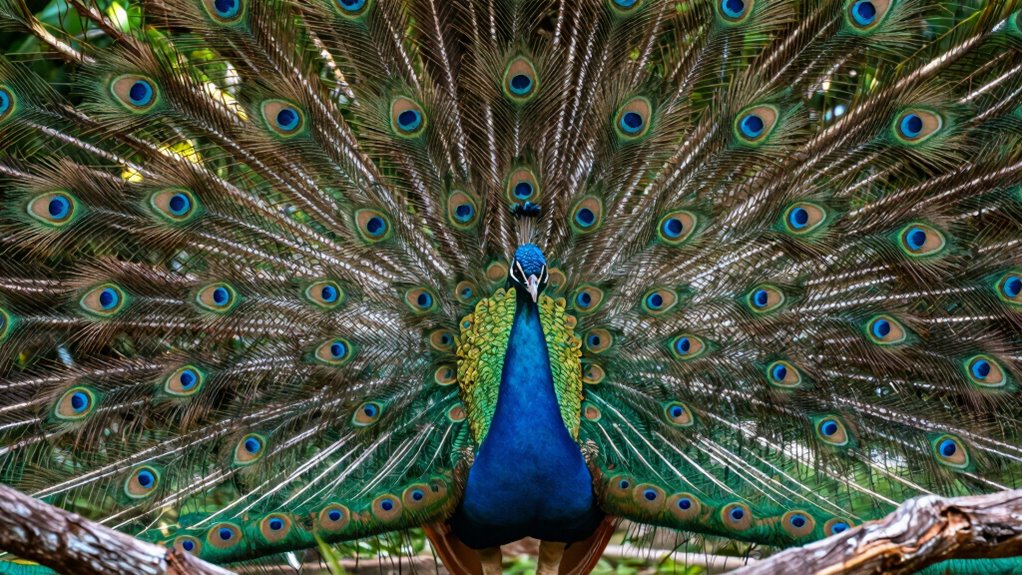

When it comes to capturing wildlife, having the right camera lens can make all the difference. The best professional lenses for wildlife offer incredible reach, sharpness, and durability to handle unpredictable conditions. The Canon RF200-800mm F6.3-9 IS USM stands out as the overall top pick thanks to its versatile zoom range and image stabilization, while the Sony FE 200-600mm F5.6-6.3 G OSS provides excellent value with high-quality optics. However, these lenses often involve tradeoffs such as size, weight, and cost. Continue reading for a detailed comparison to help you find the right fit for your wildlife photography needs.

Get everyday essentials delivered free with Prime
- Fast, free delivery on millions of items
- Prime Video, Amazon Music and more included
- Member-only deals all year
Key Takeaways
- Longer zoom ranges like 200-800mm provide greater reach but tend to be heavier and more expensive.
- Image stabilization features significantly improve sharpness in handheld wildlife shots, especially at extreme focal lengths.
- Prime lenses generally offer better optical quality but lack the versatility of zooms for unpredictable wildlife subjects.
- Mirrorless-compatible lenses tend to be more compact and lighter, though they may come at a premium price.
- Balancing aperture size with portability is essential; faster apertures improve low-light performance but increase lens size and cost.
| Canon EF 75-300mm f/4-5.6 III Telephoto Zoom Lens |  | Best Budget Telephoto Zoom for Wildlife Photography | Focal Length: 75-300mm | Maximum Aperture: f/4-5.6 | Lens Construction: 13 elements in 9 groups | VIEW ON AMAZON | See Our Full Breakdown |
| Canon EF 70-200mm f/2.8L USM Telephoto Zoom Lens for Canon SLR Cameras |  | Best Professional-Grade Telephoto for Wildlife with Low-Light Capability | Mount: EF | Focal Length: 70-200mm | Maximum Aperture: f/2.8 | VIEW ON AMAZON | See Our Full Breakdown |
| Canon RF 200-800mm F6.3-9 IS USM Super-telephoto Zoom Lens for Mirrorless Cameras |  | Best Lightweight Super-Telephoto for Wildlife and Nature | Focal Length: 200-800mm | Maximum Aperture: F6.3-9 | Compatibility: RF mount | VIEW ON AMAZON | See Our Full Breakdown |
| Sigma 150-600mm f/5-6.3 Contemporary DG OS HSM Lens for Canon |  | Best Versatile Zoom for Budget-Conscious Wildlife Shooters | Focal Length: 150-600mm | Aperture: f/5-6.3 | Weight: Approx. 3.6 pounds | VIEW ON AMAZON | See Our Full Breakdown |
| Canon EF 75-300mm f/4-5.6 III Telephoto Zoom Lens (Refurbished) |  | Best Refurbished Budget Option for Wildlife Photography | Mount: EF | Aperture Range: f/4-5.6 | Minimum Focus Distance: 4.9 feet | VIEW ON AMAZON | See Our Full Breakdown |
| Canon RF100-400mm F5.6-8 IS USM Telephoto Lens for EOS R Series Cameras |  | Best Overall Versatility for Wildlife Photography | Focal Length: 100-400mm | Maximum Aperture: F5.6-8 | Minimum Focus Distance: 2.89 feet at 200mm | VIEW ON AMAZON | See Our Full Breakdown |
| Sony FE 200-600mm F5.6-6.3 G OSS Super-Telephoto Zoom Lens Bundle |  | Best for Maximum Reach and High-Quality Optics | Focal Length: 200-600mm | Maximum Aperture: F5.6-6.3 | Optical Elements: 5 ED, 1 aspherical | VIEW ON AMAZON | See Our Full Breakdown |
| professional camera lens for wildlife | Focal Length | Maximum Aperture | Weight |
|---|---|---|---|
| Canon EF 75-300mm f/4-5.6 III | 75-300mm | f/4-5.6 | Approx. 16.8 ounces |
| Canon EF 70-200mm f/2.8L USM T | 70-200mm | f/2.8 | Approx. 3.25 pounds |
| Canon RF 200-800mm F6.3-9 IS U | 200-800mm | F6.3-9 | Approx. 3.4 pounds |
| Sigma 150-600mm f/5-6.3 Contem | 150-600mm | — | Approx. 3.6 pounds |
| Canon EF 75-300mm f/4-5.6 III | — | — | Approx. 16.8 ounces |
| Canon RF100-400mm F5.6-8 IS US | 100-400mm | F5.6-8 | — |
| Sony FE 200-600mm F5.6-6.3 G O | 200-600mm | F5.6-6.3 | — |
More Details on Our Top Picks
Canon EF 75-300mm f/4-5.6 III Telephoto Zoom Lens
This lens stands out for its affordability and lightweight design, making it a practical choice for wildlife photographers on a budget. While it offers a decent focal range of 75-300mm, it falls behind higher-end options like the Canon RF 200-800mm in terms of reach and optical quality. The limited maximum aperture of f/4-5.6 constrains low-light shooting and creates challenges for capturing fast-moving animals in dim conditions. Its basic build quality and slower focus response mean it’s better suited for casual wildlife shooters or beginners who prioritize portability and cost over speed and extreme clarity. Compared to the Canon EF 70-200mm f/2.8L, this lens can’t match in low-light performance or focus speed but offers a much lower price point.
Pros:- Budget-friendly price point
- Lightweight and easy to carry
- Decent image quality for its class
Cons:- Limited aperture reduces low-light capability
- Focus can be slow in some situations
- Basic construction may affect durability
Best for: Beginners or hobbyists needing an affordable telephoto lens for occasional wildlife shots
Not ideal for: Serious wildlife photographers requiring fast autofocus and excellent low-light performance
- Focal Length:75-300mm
- Maximum Aperture:f/4-5.6
- Lens Construction:13 elements in 9 groups
- Closest Focusing Distance:1.5m
- Focus Adjustment:Front group rotating extension with Micromotor
- Weight:Approx. 16.8 ounces
Our verdict“This lens is ideal for beginners looking for an affordable, lightweight telephoto option for wildlife photography on well-lit days.”
Canon EF 70-200mm f/2.8L USM Telephoto Zoom Lens for Canon SLR Cameras
This lens makes the most sense for professional wildlife photographers needing sharpness, speed, and low-light performance, thanks to its constant f/2.8 aperture and high-quality L-series optics. Compared to the Canon EF 75-300mm f/4-5.6 III, it offers superior image quality, faster autofocus, and better handling in challenging conditions, though it comes with added weight and a higher price. Its robust build and ultra-low dispersion glass effectively minimize chromatic aberration, ensuring crisp images even at maximum zoom. The main tradeoffs involve its weight and cost, which could hamper extended handheld shooting sessions or budgets. If portability and affordability are less critical, this lens provides unmatched image clarity for wildlife in variable lighting.
Pros:- Exceptional image sharpness and contrast
- Constant f/2.8 aperture for low-light conditions
- High-quality L-series build and optics
Cons:- Heavy and bulky for extended handheld use
- Premium price makes it less accessible for amateurs
- Requires careful handling due to complexity
Best for: Professional wildlife photographers or serious enthusiasts who need fast, sharp images in diverse lighting conditions
Not ideal for: Travelers or casual shooters who prefer lightweight gear or have limited budgets
- Mount:EF
- Focal Length:70-200mm
- Maximum Aperture:f/2.8
- Closest Focusing Distance:4.9 feet
- Lens Type:Telephoto zoom
- Weight:Approx. 3.25 pounds
Our verdict“This lens is suited for dedicated wildlife professionals demanding top-tier optical performance and fast autofocus in challenging environments.”
Canon RF 200-800mm F6.3-9 IS USM Super-telephoto Zoom Lens for Mirrorless Cameras
This lens excels for wildlife photography thanks to its expansive 200-800mm zoom range, combined with a compact, lightweight design that favors handheld shooting. Unlike larger, more cumbersome telephotos like the Canon EF 70-200mm f/2.8L, it offers portability and versatility, especially for outdoor use. Its variable aperture of F6.3-9 limits low-light performance, making it less ideal for dawn or dusk shoots. Compatibility with RF extenders adds focal length flexibility, but this can increase complexity and cost. The optical design is optimized for high image quality, though users should be prepared for the need of a tripod at maximum zoom to avoid camera shake. This pick is perfect for wildlife lovers who prioritize mobility and extended reach on mirrorless systems.
Pros:- Extensive 200-800mm zoom range
- Lightweight and portable for handheld use
- Compatible with RF extenders for added flexibility
- Optimized optical quality for outdoor wildlife
Cons:- Limited low-light capability due to F6.3-9 aperture
- Higher cost compared to smaller zooms
- May need tripod at maximum zoom for sharp images
Best for: Wildlife and outdoor photographers who need high zoom versatility without sacrificing mobility
Not ideal for: Photographers shooting in low-light conditions or requiring fast apertures for action shots
- Focal Length:200-800mm
- Maximum Aperture:F6.3-9
- Compatibility:RF mount
- Extender Compatibility:RF1.4x, RF2x
- Weight:Approx. 3.4 pounds
- Optical Design:Optimized for high image quality
Our verdict“This lens is perfect for wildlife photographers who need a portable, high-zoom solution for handheld outdoor shooting on mirrorless systems.”
Sigma 150-600mm f/5-6.3 Contemporary DG OS HSM Lens for Canon
This Sigma offers a flexible 150-600mm focal range suitable for wildlife and sports photography, packaged in a lightweight, portable design. Its water and oil repellent coating on the front element simplifies maintenance, making it a practical choice for outdoor use. Compared with the Canon EF 75-300mm f/4-5.6 III, it provides a longer reach and improved versatility, though the narrower aperture of f/5-6.3 limits its low-light capabilities. Its zoom range, combined with manageable weight, makes it a good all-around lens for those who want more focal length without the bulk of high-end glass. The tradeoff is that it may require a tripod or monopod at maximum zoom to prevent shake, especially in low-light conditions.
Pros:- Versatile focal range of 150-600mm
- Lightweight and portable design
- Water and oil resistant coating on front element
Cons:- Limited maximum aperture affects low-light performance
- Zoom range may require tripod at full extension
- Image sharpness can decline at the longest focal lengths
Best for: Amateur or semi-professional wildlife photographers seeking flexible focal length without high cost
Not ideal for: Photographers needing fast apertures for low-light or fast action shooting
- Focal Length:150-600mm
- Aperture:f/5-6.3
- Weight:Approx. 3.6 pounds
- Coatings:Water and oil repellent
- Mount:Canon EF
- Minimum Focus Distance:280 cm
Our verdict“This lens offers a broad focal range at a reasonable price, ideal for outdoor wildlife shooters who can work within its aperture limitations.”
Canon EF 75-300mm f/4-5.6 III Telephoto Zoom Lens (Refurbished)
This refurbished Canon EF 75-300mm lens provides a good entry point for wildlife photography, maintaining the core features of the original at a lower cost. Its focal range and aperture are similar to the new version, with a smooth zoom mechanism that makes it a reliable choice for capturing distant subjects. Compared to newer, more advanced lenses like the Canon RF 200-800mm, it offers less reach and slower autofocus, especially in low-light conditions. The bulkier design and basic build quality mean it’s less suited for extended fieldwork or rugged outdoor environments. However, for hobbyists or those starting out, it delivers respectable performance at a significantly reduced price.
Pros:- Affordable refurbished price
- Smooth zoom mechanism
- Suitable for distant wildlife shots
Cons:- Limited aperture for low-light shooting
- Bulky and heavier than modern lenses
- Slower autofocus compared to newer models
Best for: Budget-conscious wildlife enthusiasts or hobbyists seeking an affordable, reliable telephoto lens
Not ideal for: Pro wildlife shooters or those needing fast autofocus and lightweight gear for frequent use
- Mount:EF
- Aperture Range:f/4-5.6
- Minimum Focus Distance:4.9 feet
- Filter Thread:58mm
- Dimensions:2.8 inches diameter, 4.8 inches long
- Weight:Approx. 16.8 ounces
Our verdict“This refurbished lens is a practical choice for hobbyists who want decent telephoto capability without a high investment.”
Canon RF100-400mm F5.6-8 IS USM Telephoto Lens for EOS R Series Cameras
This Canon RF100-400mm F5.6-8 IS USM stands out for its compact design and adaptable zoom range, making it a strong choice for wildlife enthusiasts who need flexibility without extra bulk. Compared to the Sony FE 200-600mm, it offers a lighter package, but its aperture range of F5.6-8 can limit low-light shooting and may struggle in dim conditions where the Sony’s broader aperture range provides a slight edge. Its effective image stabilization—up to 6 stops—ensures sharp images even at longer focal lengths, yet the maximum focal length of 400mm might fall short for capturing distant wildlife without extenders. The fast, quiet Nano USM autofocus enhances tracking of fast-moving subjects, but the lens’s aperture range is a notable tradeoff for better handling and size. Overall, this lens makes the most sense for wildlife photographers who prioritize portability and quick handling over maximum reach or low-light performance.
Pros:- Compact and lightweight for easy handling in the field
- Versatile 100-400mm zoom range suitable for different subjects
- Effective image stabilization with up to 6 stops of correction
- Fast, quiet Nano USM autofocus for tracking moving subjects
Cons:- Aperture range F5.6-8 limits low-light performance
- Maximum focal length of 400mm may be insufficient for some wildlife scenarios
Best for: Wildlife photographers who need a lightweight, versatile zoom with solid stabilization for handheld shooting in the field.
Not ideal for: Photographers aiming to shoot in very low light or needing extreme reach beyond 400mm without extenders.
- Focal Length:100-400mm
- Maximum Aperture:F5.6-8
- Minimum Focus Distance:2.89 feet at 200mm
- Maximum Magnification:0.41x at 400mm
- Image Stabilization:Up to 6 stops
- Lens Mount:Canon RF
Our verdict“This lens is ideal for wildlife photographers needing a portable, adaptable zoom that performs well in good lighting but may struggle in extreme low-light conditions.”
Sony FE 200-600mm F5.6-6.3 G OSS Super-Telephoto Zoom Lens Bundle
This Sony FE 200-600mm F5.6-6.3 G OSS lens offers exceptional reach for wildlife and sports, outperforming the Canon RF100-400mm in maximum focal length. Its high-quality G lens optics, including 5 ED and 1 aspherical element, deliver sharp images with minimal aberration, making it the go-to choice for distant subjects. The fast, quiet autofocus with real-time tracking ensures you won’t miss fleeting wildlife moments, and the built-in optical stabilization keeps handheld shots crisp. However, compared to the Canon RF100-400mm, it is significantly heavier and bulkier, which can be a drawback during extended field sessions. The narrower aperture range (F5.6-6.3) also limits performance in low-light conditions, similar to the Canon but more pronounced due to the longer focal lengths. Its weather sealing adds durability for outdoor use, yet the higher price tag makes it less accessible for casual wildlife shooters. This lens is best suited for those who prioritize reach and optical quality over portability.
Pros:- Exceptional reach up to 600mm for distant subjects
- High-quality G Lens optics with minimal aberrations
- Fast, silent autofocus with real-time tracking
- Built-in optical stabilization for sharp handheld images
Cons:- Heavy and bulky, less portable during long shoots
- Aperture range F5.6-6.3 limits low-light performance
- Premium price may be prohibitive for casual users
Best for: Serious wildlife and sports photographers who require maximum focal length and top-tier image quality in outdoor settings.
Not ideal for: Amateurs or casual photographers who prefer lightweight gear or shoot primarily in low-light environments.
- Focal Length:200-600mm
- Maximum Aperture:F5.6-6.3
- Optical Elements:5 ED, 1 aspherical
- Autofocus:Direct Drive SSM
- Image Stabilization:Optical SteadyShot
- Weather Sealing:Yes
Our verdict“This lens makes the most sense for advanced wildlife photographers seeking maximum reach and optical excellence, accepting the tradeoff of added weight and cost.”
How We Picked
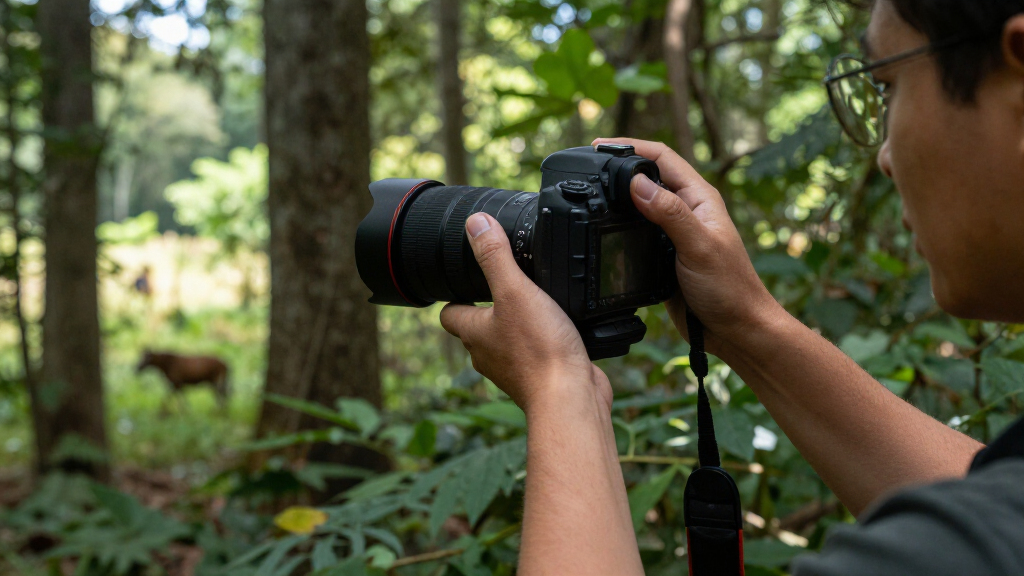
The lenses included in this roundup were evaluated based on their focal length range, optical quality, build durability, and usability in real-world wildlife scenarios. We prioritized models that offer excellent sharpness, minimal distortion, and reliable image stabilization. Cost was also considered, ensuring options are accessible for serious enthusiasts and professionals alike. Our ranking reflects a combination of performance, versatility, and value, with a focus on how each lens addresses the unique challenges of wildlife photography. We aimed to highlight lenses that balance reach, clarity, and handling in diverse outdoor conditions.| professional camera lens for wildlife | Maximum Aperture | Weight |
|---|---|---|
| Canon EF 75-300mm f/4-5.6 III | f/4-5.6 | Approx. 16.8 ounces |
| Canon EF 70-200mm f/2.8L USM T | f/2.8 | Approx. 3.25 pounds |
| Canon RF 200-800mm F6.3-9 IS U | F6.3-9 | Approx. 3.4 pounds |
| Sigma 150-600mm f/5-6.3 Contem | — | Approx. 3.6 pounds |
| Canon EF 75-300mm f/4-5.6 III | — | Approx. 16.8 ounces |
| Canon RF100-400mm F5.6-8 IS US | F5.6-8 | — |
| Sony FE 200-600mm F5.6-6.3 G O | F5.6-6.3 | — |
Factors to Consider When Choosing Professional Camera Lens For Wildlife
Choosing the right wildlife lens involves more than just zoom range. Consider how size and weight will impact your mobility, especially if you’re tracking animals on foot. Optical quality is paramount, but it must be balanced against budget constraints. Think about your camera system compatibility and whether you prefer zooms for flexibility or primes for maximum sharpness. Weather sealing and rugged build are critical for outdoor use, while lens stability features can dramatically improve image quality at long focal lengths. Avoid common pitfalls such as overestimating your ability to handle heavy gear or neglecting low-light performance in remote habitats.Focal Length and Zoom Range
Longer focal lengths, such as 200-800mm or 600mm, enable capturing distant wildlife without disturbing them. However, increased zoom ranges usually come with added weight and cost. Consider whether you prefer a versatile zoom that covers multiple focal lengths or a prime lens with superior optical quality. The balance between reach and portability is key—extreme focal lengths can be cumbersome to carry and stabilize, especially in handheld situations.
Optical Quality and Image Stabilization
Sharpness and minimal distortion are essential for professional wildlife images. Opt for lenses with high-quality glass elements and coatings that reduce flare and chromatic aberration. Image stabilization (IS or OSS) is particularly beneficial at long focal lengths, helping to maintain sharpness when shooting handheld. Be cautious: stabilization features may add to the lens size and complexity, but they are often worth the tradeoff for clearer images in challenging conditions.
Build and Weather Resistance
Wildlife photography often involves unpredictable weather and rugged terrain. Investing in lenses with weather sealing and durable construction can prevent damage and extend your gear’s lifespan. Lightweight, weatherproof designs help you shoot in rain, dust, or cold. However, these features typically increase the price and weight, so consider how much outdoor exposure you anticipate and balance durability with portability.
Compatibility and System Choice
Ensure the lens you select is compatible with your camera system, whether DSLR or mirrorless. Mirrorless lenses tend to be more compact and lighter, but often come at a premium. Compatibility also extends to mount types, autofocus systems, and electronic communication. Be aware of potential limitations or additional adapters needed, which can affect autofocus speed and image quality.
Budget and Value
Wildlife lenses span a wide price range, from budget-friendly options to high-end professional gear. Set a clear budget that considers your shooting frequency and ambitions. Cheaper lenses may lack optical clarity or weather sealing, while more expensive models offer advanced features and superior image quality. Focus on the features that matter most to your style—sometimes, investing in a lens with better stabilization or a longer zoom can provide greater value than simply opting for the most affordable option.
Frequently Asked Questions
Is a zoom lens more practical than a prime for wildlife photography?
Zoom lenses offer greater flexibility to adapt to different distances and subjects without changing lenses, which is especially useful in dynamic wildlife scenes. Primes, however, often provide superior optical quality and larger apertures for better low-light performance and background blur. If you frequently shoot in unpredictable environments or need quick adjustments, a zoom is usually more practical. Conversely, if you work mostly in stable conditions and prioritize image sharpness, a prime might be the better choice.
How important is image stabilization for wildlife lenses?
Image stabilization can dramatically improve image sharpness, especially at long focal lengths where camera shake is more pronounced. It allows for handheld shooting at slower shutter speeds, reducing the need for heavy tripods in many situations. For wildlife that moves unpredictably, stabilization offers a significant advantage, but it may add weight and cost. If you primarily shoot from a tripod or in stable conditions, stabilization might be less critical, but it remains a valuable feature for handheld or mobile shooting.
Should I choose a heavier, more durable lens or a lighter one?
The decision depends on your shooting style and the environments you frequent. Heavier, rugged lenses excel in harsh conditions and provide peace of mind against weather and physical damage. However, they can limit mobility and cause fatigue over long shoots. Lighter lenses increase portability and ease of use but may sacrifice some durability or optical performance. Consider how often you’ll carry your gear and whether your shooting involves extended hikes or stable platforms.
Are high-end professional lenses worth the investment for amateur wildlife photographers?
High-end lenses offer improved optical quality, faster autofocus, and better build quality, which can enhance your images significantly. However, they come with a hefty price tag that may not be justified for casual or beginner photographers. If wildlife photography is a serious hobby or profession, investing in quality gear can pay off with sharper images and greater reliability. For newcomers or casual shooters, more affordable options with decent performance can still produce excellent results.
What should I consider if I want to shoot in low-light conditions?
Faster aperture lenses (e.g., f/2.8 or wider) are better suited for low-light wildlife photography, allowing more light to hit the sensor. However, these lenses tend to be larger, heavier, and more expensive. If you often shoot dawn, dusk, or shaded environments, prioritize lenses with wide apertures and good optical coatings. Also, consider the camera’s sensor sensitivity and ISO performance to complement your lens choice for low-light scenarios.
Conclusion
For those seeking the best overall performance, the Canon RF 200-800mm F6.3-9 IS USM offers exceptional versatility and stabilization. Budget-conscious wildlife shooters will find great value in the Sigma 150-600mm f/5-6.3 Contemporary, balancing reach and affordability. Beginners should opt for more manageable, lighter options like the Canon RF100-400mm F5.6-8 IS USM to build confidence without excessive weight. For specialized needs, such as extreme reach or rugged outdoor conditions, the Sony FE 200-600mm F5.6-6.3 G OSS provides professional-grade durability and optical performance. Choose based on your experience level, typical shooting conditions, and budget to get the most out of your wildlife photography.
As an affiliate, we earn on qualifying purchases.Fall Picks
fall essentials