
When selecting a Mac Pro for enterprise IT deployments, the focus shifts from consumer features to scalability, security, and manageability. The Apple 2026 MacBook Pro with M5 Pro Chip stands out as the top overall choice, offering a balance of power and future-proof features. For teams prioritizing raw processing power, the MacBook Pro with M5 Max Chip provides exceptional performance, though at a higher cost. The main tradeoffs involve balancing budget against the need for high-end specs and extensive connectivity. Keep reading for a detailed breakdown of these options and how they meet enterprise demands.

Get everyday essentials delivered free with Prime
- Fast, free delivery on millions of items
- Prime Video, Amazon Music and more included
- Member-only deals all year
Key Takeaways
- High-end configurations like the M5 Max chips deliver unmatched processing power essential for intensive enterprise workloads.
- Size and form factor matter; compact models may limit upgradeability and connectivity compared to larger desktops.
- Memory and storage are critical for scalability; opting for maximum RAM and SSD capacity ensures longevity.
- Connectivity options, including Ethernet and multiple ports, are vital for enterprise network integration.
- Pricing varies significantly; understanding the tradeoff between cost and performance helps in selecting the right model.




| mac pro for enterprise it deployment | Processor | Storage | Memory | Display |
|---|---|---|---|---|
| Mac mini with M4 10-core CPU a | M4 10-core CPU and GPU | 1TB SSD | 24GB | — |
| Apple 2021 MacBook Pro with M1 | Apple M1 Max 10-Core CPU | 2TB SSD | 64GB RAM | 14-inch Retina |
| Apple 14-inch MacBook Pro with | Apple M5 Pro 15-core CPU | 1TB SSD | 48GB Unified Memory | 14-inch Retina |
| Apple 2026 MacBook Pro with M5 | Apple M5 Pro 18-core CPU | 1TB SSD | 48GB Unified Memory | 16.2-inch Liquid Retina XDR |
| Apple 2024 Mac mini Desktop Co | M4 Pro 12-core | 512GB SSD | 24GB | — |
| Apple MacBook Pro Laptop with | M5 Pro or M5 Max | 2TB SSD | 48GB Unified Memory | 16.2-inch Liquid Retina XDR |
| Apple 16-inch MacBook Pro with | Apple M5 Max 18-core CPU | 2TB SSD | 128GB | 16.2-inch Liquid Retina XDR |
| Apple MacBook Pro Laptop with | M5 Max, 18-core CPU | 2TB SSD | 128GB | 16.2-inch Liquid Retina XDR |
| Apple 2026 MacBook Pro Laptop | M5 Pro with 15-core CPU | 1TB SSD | 24GB | 14.2-inch Liquid Retina XDR |
| Apple 2023 MacBook Pro with M2 | Apple M2 Max | 1TB SSD | — | 14-inch |
More Details on Our Top Picks
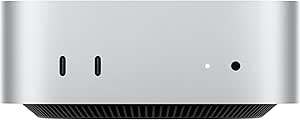
Mac mini with M4 10-core CPU and 10-core GPU, 24GB Memory, 1TB Storage
The Mac mini with M4 provides a highly compact form factor that fits well into enterprise server rooms or remote office setups, offering impressive performance thanks to its 10-core CPU and GPU. Compared to larger workstations like the M5 Pro MacBook, this model sacrifices expandability for size, making it ideal for lightweight deployment and centralized management. Its multiple connectivity options support diverse enterprise peripherals and network configurations, but the limited upgrade paths and absence of dedicated graphics mean it may fall short in high-end visualization or intensive workloads. This makes it perfect for small-scale server roles, thin client deployments, or edge computing in enterprise environments.
Pros:- Compact size fits easily into any workspace or server rack
- High-performance M4 chip ensures quick processing
- Multiple ports support versatile enterprise connectivity
- Seamless integration with Apple ecosystem
Cons:- Limited upgrade options due to small form factor
- No dedicated graphics card for high-end visual tasks
- Higher cost for high-spec configurations
Best for: Small IT departments needing a compact, reliable server or client device for enterprise use.
Not ideal for: Organizations requiring high upgradeability, advanced graphics, or intensive processing beyond basic server tasks.
- Processor:M4 10-core CPU and GPU
- Memory:24GB
- Storage:1TB SSD
- Ports:Thunderbolt, HDMI, USB-C, Ethernet
- Form Factor:Mini desktop
- Operating System:macOS
Our verdict“This is an excellent choice for enterprises seeking a small, reliable, and high-performance device for basic server or client roles.”
Apple 2021 MacBook Pro with M1 Max Chip, 14-inch, 64GB RAM, 2TB SSD, Silver (Renewed)
This renewed 14-inch MacBook Pro packs the formidable M1 Max chip, making it suitable for demanding enterprise tasks like software development, 3D rendering, and data analysis. Its large 64GB RAM and 2TB SSD elevate it above the M4-based Mac mini, providing the memory bandwidth and storage capacity required for intensive workflows. Unlike the newer M5 models, it offers proven performance with a mature ecosystem and extensive software compatibility. However, being a renewed product, it lacks the certainty of new hardware and may not include the latest features or full warranty coverage. This pick makes the most sense for enterprise professionals who need mobility without sacrificing power.
Pros:- Exceptional M1 Max performance with high-end graphics
- Ample 64GB RAM supports multitasking and heavy workloads
- Fast 2TB SSD for data-intensive tasks
- Renewed product with rigorous inspection
Cons:- Not a brand-new unit, potential longevity concerns
- Generic packaging and accessories
- Higher price than comparable new models
Best for: IT managers and professionals needing a portable yet powerful device for high-end enterprise applications.
Not ideal for: Organizations prioritizing the latest hardware or guaranteed new condition, or those on tight budgets for new equipment.
- Processor:Apple M1 Max 10-Core CPU
- Graphics:24-Core GPU
- Memory:64GB RAM
- Storage:2TB SSD
- Display:14-inch Retina
- Weight:6.9 pounds
Our verdict“This model suits enterprise users who need a portable, high-performance workstation with proven reliability and ample memory.”
Apple 14-inch MacBook Pro with M5 Pro Chip, 48GB RAM, 1TB SSD, Space Black
The 14-inch MacBook Pro with M5 Pro offers a significant leap in processing power with its 15-core CPU and 16-core GPU, making it suitable for intensive workflows like video editing, CAD, and software development. Its 48GB of unified memory supports complex multitasking, outperforming the 24GB in the Mac mini and the 64GB in older MacBook models, with a sleek Space Black design that appeals to professional aesthetics. However, the premium price and lack of detailed port specifications mean it may be overkill for general enterprise tasks or organizations with strict budget constraints. This device is best for enterprise users who demand high performance on the go.
Pros:- High-performance M5 Pro chip with advanced CPU and GPU
- Large 48GB unified memory supports demanding multitasking
- Fast 1TB SSD for quick data access
- Premium build with sleek Space Black finish
Cons:- Premium price may limit widespread deployment
- Limited upgrade options post-purchase
- No detailed info on port variety beyond standard USB-C and Thunderbolt
Best for: Creative, technical, and enterprise professionals needing portable, high-end computing power.
Not ideal for: Organizations seeking a budget-friendly or more expandable device for general use, or those with specific port requirements not listed.
- Processor:Apple M5 Pro 15-core CPU
- Graphics:16-core GPU
- Memory:48GB Unified Memory
- Storage:1TB SSD
- Display:14-inch Retina
- Weight:3.5 pounds
Our verdict“This is an excellent choice for enterprise professionals who need a portable yet powerful machine for demanding workflows.”
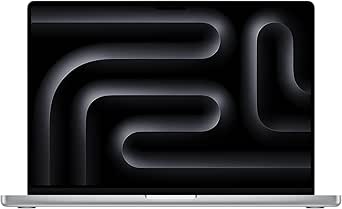
Apple 2026 MacBook Pro with M5 Pro Chip, 16.2-inch Liquid Retina XDR, 48GB RAM, 1TB SSD, Wi-Fi 7, Silver
The 2026 MacBook Pro with M5 Pro and a stunning 16.2-inch Liquid Retina XDR display offers enterprise users a machine designed for the most demanding creative, AI, and data processing tasks. Its 18-core CPU and 20-core GPU push performance boundaries, supporting multiple external displays and advanced connectivity, including Wi-Fi 7. Compared to the older models like the M1 Max, this device delivers future-proof hardware with enhanced AI capabilities, making it suitable for innovative enterprise deployments. The main drawback remains its high price and weight, which could limit portability for some users. This device shines for enterprise teams pushing the limits of AI, analytics, and high-end media production.
Pros:- Powerful M5 Pro chip with 18-core CPU and 20-core GPU
- Large 16.2-inch Liquid Retina XDR display
- Supports multiple external displays with high resolution
- Advanced AI capabilities integrated into hardware
Cons:- Premium pricing limits widespread deployment
- Heavy for portable use compared to smaller models
- Limited details on battery life in demanding scenarios
Best for: Enterprises requiring cutting-edge AI, creative, and multi-display workflows with mobility.
Not ideal for: Organizations with strict budget constraints or those prioritizing smaller, lighter laptops for fieldwork.
- Processor:Apple M5 Pro 18-core CPU
- Graphics:20-core GPU
- Memory:48GB Unified Memory
- Storage:1TB SSD
- Display:16.2-inch Liquid Retina XDR
- Connectivity:Wi-Fi 7, Thunderbolt 5, HDMI
Our verdict“This premium device suits enterprise teams focused on AI, creative, and multi-display workflows seeking future-ready hardware.”
Apple 2024 Mac mini Desktop Computer with M4 Pro Chip, 24GB Memory, 512GB SSD, Gigabit Ethernet
The Mac mini with M4 Pro offers a compelling balance of performance and cost for enterprise environments that need reliable, compact hardware without the premium price of larger systems. Its 12-core CPU and 16-core GPU deliver solid processing power for server, remote management, or lightweight workstation roles, especially when paired with its versatile connectivity options like Thunderbolt, HDMI, and Ethernet. Compared to the more expensive M5 Pro models, it offers less raw power but excels in space efficiency and cost-effectiveness for small-to-medium deployments. The main limitation involves upgradability, as the compact design restricts future hardware enhancements. This makes it ideal for remote offices, digital signage, or small server farms.
Pros:- Compact size fits anywhere in the enterprise environment
- Powerful M4 Pro chip handles demanding tasks
- Multiple connectivity options for diverse peripherals
- Affordable compared to higher-spec models
Cons:- Limited upgrade options due to small form factor
- No dedicated graphics card for intensive visual tasks
- Price may seem high relative to hardware capabilities
Best for: Small to medium enterprises needing affordable, reliable, and compact desktop hardware for deployment.
Not ideal for: Organizations requiring high-end graphics or extensive upgradeability, or those with demanding AI workloads.
- Processor:M4 Pro 12-core
- GPU:16-core
- Memory:24GB
- Storage:512GB SSD
- Connectivity:Thunderbolt, HDMI, Ethernet
- Dimensions:5 x 5 inches
Our verdict“This Mac mini provides a balanced, space-efficient solution for enterprise needs that don’t demand the latest hardware or extensive upgrades.”
Apple MacBook Pro Laptop with M5 Pro, 16.2-inch Display, 48GB RAM, 2TB SSD, Space Black
This MacBook Pro stands out for its blend of portability and power, making it a strong choice for enterprise IT teams needing mobile devices capable of handling demanding workloads. Compared to the larger 16-inch models, its 16.2-inch Liquid Retina XDR display offers excellent resolution and brightness, though its weight and size reduce portability for on-the-move deployments. The M5 Pro or Max chip delivers next-generation speed and AI capabilities, which are vital for AI-driven enterprise applications. With 48GB RAM and 2TB SSD, it can support complex multitasking and large data sets, but the premium price tag might limit budget-conscious projects. Its limited ports mean adapters are often necessary, adding to logistical considerations.
Pros:- Powerful M5 Pro/Max chip with advanced AI features
- Stunning Liquid Retina XDR display with high brightness and contrast
- Large 48GB RAM and 2TB SSD support demanding workloads
- Seamless Apple ecosystem integration
Cons:- Premium price may be prohibitive for some organizations
- Heavy and large design reduces portability
- Limited ports requiring adapters for peripherals
Best for: Enterprise mobile teams requiring powerful, portable workstations for creative or data-intensive tasks.
Not ideal for: Small IT departments with strict budget constraints or those needing extensive port versatility without adapters.
- Processor:M5 Pro or M5 Max
- Display:16.2-inch Liquid Retina XDR
- Memory:48GB Unified Memory
- Storage:2TB SSD
- Color:Space Black
- Ports:Three Thunderbolt 5, MagSafe 3, SDXC, HDMI, Headphone jack
- Battery Life:All-day
Our verdict“This model suits enterprise users who prioritize mobile performance and are willing to invest in a premium device.”
Apple 16-inch MacBook Pro with M5 Max Chip, 128GB RAM, 2TB SSD, Space Black (2026)
This 16-inch MacBook Pro is tailored for enterprise environments demanding maximum power, especially for intensive data processing and AI workloads. Its M5 Max chip with 18-core CPU and 40-core GPU outperforms many alternatives like the M2 Max, supporting high-core count multitasking and complex computations. The 128GB RAM and 2TB SSD ensure vast memory and storage capacity, ideal for large datasets and heavy multitasking. The stunning Liquid Retina XDR display maintains high brightness and contrast, essential for detailed visual tasks. Long battery life ensures productivity on the go, but the device’s size and weight make it less suited for frequent portability. Limited configurable options at purchase could restrict customization for specific enterprise needs.
Pros:- Exceptional M5 Max chip with high-core count for demanding tasks
- Massive 128GB RAM and 2TB SSD for extensive multitasking
- Stunning Liquid Retina XDR display with high contrast
- Long-lasting battery supports all-day productivity
Cons:- High price point limits accessibility for some organizations
- Heavy and bulky for frequent travel
- Limited options for custom configurations at purchase
Best for: Organizations handling large datasets or AI workloads requiring maximum computational power in a portable form factor.
Not ideal for: Small teams with limited budgets or those needing lightweight, highly portable devices for frequent travel.
- Processor:Apple M5 Max 18-core CPU
- GPU:40-core GPU
- Memory:128GB
- Storage:2TB SSD
- Display:16.2-inch Liquid Retina XDR
- Battery Life:All-day
Our verdict“This machine is ideal for enterprise users who need maximum performance in a portable, large-screen form factor.”
Apple MacBook Pro Laptop with M5 Max, 16.2-inch Display, 128GB Memory, 2TB SSD, Space Black
This MacBook Pro combines the high-end M5 Max chip with a 16.2-inch Liquid Retina XDR display, making it an excellent choice for professionals who need demanding computational power and stunning visuals. Its 18-core CPU and 40-core GPU outperform many competitors like the M2 Max, supporting AI and creative workloads with ease. The 128GB RAM and 2TB SSD support large projects and multitasking, but its weight and size limit portability, making it less suitable for frequent travel. While its high price reflects its premium build and performance, organizations should weigh whether they need the absolute maximum power or a lighter, more portable solution.
Pros:- Powerful 18-core CPU and 40-core GPU with advanced AI support
- Excellent 16.2-inch Liquid Retina XDR display
- 128GB RAM and 2TB SSD handle large, demanding projects
- Seamless Apple ecosystem integration
Cons:- High price point makes it less accessible for some
- Heavy and less portable for frequent travel
- Limited to Apple ecosystem, less compatible with non-Apple software
Best for: Enterprise professionals who require top-tier processing power and vibrant displays for AI, video editing, or complex data analysis.
Not ideal for: Small teams or budgets that cannot support such a high-cost device, or those needing ultra-light weight for frequent mobility.
- Processor:M5 Max, 18-core CPU
- GPU:40-core GPU
- Display:16.2-inch Liquid Retina XDR
- Memory:128GB
- Storage:2TB SSD
- Battery Life:All-day
Our verdict“This model suits enterprise users who prioritize maximum processing power and display quality, willing to accept reduced portability.”
Apple 2026 MacBook Pro Laptop with M5 Pro Chip, 14.2-inch Liquid Retina XDR Display, 24GB RAM, 1TB SSD, Wi-Fi 7, Silver
This 14-inch MacBook Pro offers a compelling mix of performance and portability, making it suitable for enterprise environments where mobility is essential. Its M5 Pro chip with 15-core CPU and 16-core GPU delivers robust AI and creative capabilities, comparable to larger models but in a smaller footprint. The 24GB RAM and 1TB SSD support multitasking and large files, while the multiple ports, including HDMI and SDXC, provide flexibility often missing in smaller devices. However, its price can be a barrier for some, and its weight, while lighter than larger models, still limits mobility for very frequent travelers. This device is best suited for enterprise professionals who need power but also value a compact form.
Pros:- Powerful M5 Pro chip with advanced AI capabilities
- Compact 14.2-inch Liquid Retina XDR display
- Multiple ports including HDMI and SDXC for versatile connectivity
- All-day battery life supports mobile workflows
Cons:- Premium price may be a barrier for some organizations
- Potentially heavy for ultra-portable needs
- Limited to Apple ecosystem, less flexible with non-Apple software
Best for: Mobile enterprise users who need a balance of power and portability for AI, creative work, or on-the-go productivity.
Not ideal for: Organizations with extensive port requirements that prefer desktops or larger laptops for expanded connectivity.
- Processor:M5 Pro with 15-core CPU
- Display:14.2-inch Liquid Retina XDR
- Memory:24GB
- Storage:1TB SSD
- Connectivity:Wi-Fi 7, Bluetooth 6
- Ports:Three Thunderbolt 5, MagSafe 3, SDXC, HDMI, headphone jack
Our verdict“This device is perfect for enterprise users needing a high-performance, portable machine with flexible connectivity options.”
Apple 2023 MacBook Pro with M2 Max Chip, 14-inch, 32GB RAM, 1TB SSD, Space Gray (Renewed)
This renewed MacBook Pro offers a blend of high performance and sustainability, featuring the M2 Max chip with a 14-inch display suitable for demanding enterprise tasks. While it doesn’t match the raw power of the M5 Max or Max-equipped models, it still provides solid processing capabilities, especially with 32GB RAM and 1TB SSD. Its eco-friendly recycled aluminum design appeals to organizations prioritizing sustainability. Compared to newer models like the M5 Pro-based 14-inch, it offers a more affordable entry point but may come with concerns about battery health and limited warranty coverage. For enterprises on a budget, this device provides a balance of performance and eco-conscious design.
Pros:- Powerful M2 Max processor suitable for demanding tasks
- Large 1TB SSD for ample storage
- Eco-friendly, recycled aluminum design
- Solid performance in a compact form
Cons:- Renewed device may have limited warranty and battery health concerns
- Premium price still significant for some budgets
- Potential variability in device condition due to being renewed
Best for: Budget-conscious enterprises seeking powerful yet sustainable options for demanding tasks.
Not ideal for: Organizations that require the absolute maximum processing power or latest hardware for AI-heavy workloads.
- Processor:Apple M2 Max
- Display:14-inch
- RAM:32GB
- Storage:1TB SSD
- Color:Space Gray
- Design:Recycled aluminum
Our verdict“This renewed MacBook Pro is a smart choice for cost-aware enterprises that value sustainability without sacrificing too much power.”

How We Picked
Our evaluation focused on performance, expandability, security features, manageability, and overall value for enterprise IT deployment. We prioritized models that offer high CPU and GPU capabilities, extensive RAM, and robust connectivity options, as these are critical in enterprise environments. Reliability and ease of management, including compatibility with enterprise-grade management tools, also played a key role. The ranked list reflects a balance between cutting-edge hardware and practical deployment features, aiming to serve both large-scale organizations and smaller IT teams.
Factors to Consider When Choosing Mac Pro For Enterprise It Deployments
Choosing the right Mac Pro for enterprise IT deployments involves balancing performance, scalability, security, and cost. While high-end specs are appealing, they must align with your organization’s specific workload requirements and IT infrastructure. Consider how each model’s capabilities meet your current needs and future growth plans. Avoid common pitfalls like overpaying for unnecessary specs or selecting models with limited upgrade paths. A strategic approach ensures your investment remains valuable over time.Performance and Scalability
For enterprise use, processing power and memory capacity are paramount. Opt for models with high-core CPUs and ample RAM to handle demanding multitasking and intensive applications. Scalability also involves future-proofing, so consider models that support upgrades or have high-capacity configurations. Overinvesting in unnecessary power can lead to wasted resources, but underpowering can hamper productivity. Matching your workload to the hardware ensures smooth operation and long-term viability.
Connectivity and Expandability
Enterprise deployments often require multiple network interfaces and peripherals. Prioritize Macs with multiple Thunderbolt, USB-C ports, and Gigabit Ethernet. Some models offer more extensive port options, which reduce the need for additional hubs or adapters. Limitations here can bottleneck your setup, especially when connecting to servers, storage, or peripheral arrays. Evaluate your current infrastructure and future connectivity needs to avoid costly upgrades or workarounds later.
Security and Management Features
Security features like hardware encryption, secure boot, and device management are non-negotiable for enterprise use. Ensure the chosen Mac supports enterprise management protocols, such as MDM compatibility, to facilitate remote configuration, updates, and security policies. Skipping these features can introduce vulnerabilities and complicate device oversight. Invest in models that align with your security standards to maintain compliance and safeguard sensitive data.
Cost and Total Cost of Ownership
While premium models offer unmatched performance, they come with higher upfront costs. Consider the total cost of ownership, including maintenance, support, and potential upgrade expenses. Sometimes, opting for a slightly lower-spec model with better manageability and upgrade paths provides more value over several years. Carefully assess your budget against expected performance needs to avoid overspending or underdelivering on capabilities.
Future-Proofing and Longevity
Enterprise hardware should serve your organization for years to come. Look for models that support the latest standards, have a track record of firmware updates, and are compatible with upcoming macOS releases. Investing in the latest generation ensures you won’t need to replace hardware prematurely. Conversely, choosing outdated models may lead to compatibility issues and higher replacement costs down the line. Prioritize longevity to maximize return on your investment.
Frequently Asked Questions
Can these Mac models be easily integrated into existing enterprise networks?
Yes, most of these Mac models support enterprise-grade network protocols, including Ethernet, Wi-Fi 6/7, and VPNs. They are compatible with common management tools like MDM solutions, allowing seamless integration into existing infrastructure. However, it’s important to verify that your network hardware and management systems support the specific MacOS features and configurations you plan to implement. Proper planning ensures smooth deployment and management at scale.
Are these Macs suitable for running virtualized enterprise applications?
Absolutely. Many of these models, especially those with high RAM and CPU core counts, are well-suited for virtualization. They can run multiple virtual machines or containers, which is common in enterprise environments for testing, development, and isolated workloads. The key is selecting a model with sufficient RAM and CPU performance, as virtualization can be resource-intensive. Always match your virtualization needs with the hardware specifications to ensure optimal performance.
How easy is it to upgrade or replace components in these Mac models?
Most recent Mac models, especially those with integrated chips like the M5 series, have limited upgradeability. RAM and storage are often soldered or non-upgradable, making upfront choices critical. For enterprise deployments, this means selecting a configuration that meets your needs from the start. Desktops like the Mac mini with higher RAM options tend to offer more flexibility than laptops, but overall, planning ahead is essential to avoid hardware obsolescence.
What security features should I prioritize for enterprise deployments?
Security features such as hardware encryption, secure boot, and hardware-based key storage are vital. Ensure the Mac supports FileVault encryption, T2 or T3 security chips, and is compatible with your organization’s security policies. Additionally, features like remote wipe, device management, and biometric security (Touch ID, Face ID) can enhance security and ease of management. Prioritizing these features helps protect sensitive enterprise data against breaches and unauthorized access.
Is it better to choose a MacBook or a desktop for enterprise deployment?
The choice depends on your deployment environment and mobility needs. MacBooks offer portability, making them suitable for remote or field-based roles, but desktops like the Mac mini or Mac Studio provide more extensive expandability and potentially better performance for stationary workstations. For enterprise environments prioritizing security and manageability, desktops often offer easier integration with existing infrastructure. Consider your specific workflow, security policies, and whether mobility or fixed workstation setups better serve your organization.
Conclusion
For large organizations requiring powerful, scalable solutions, the MacBook Pro with M5 Max Chip offers unmatched processing power, ideal for intensive workloads. Smaller teams or those prioritizing manageability may prefer the Mac mini with M4 Pro, which balances performance and cost. If budget is a constraint but you still need enterprise-grade features, the 2021 MacBook Pro with M1 Max provides a capable entry point. Overall, the Apple 2026 MacBook Pro with M5 Pro Chip stands out as the best all-around option, combining performance, future-proofing, and manageability for most enterprise deployments.
Halloween Picks
halloween
As an affiliate, we earn on qualifying purchases.