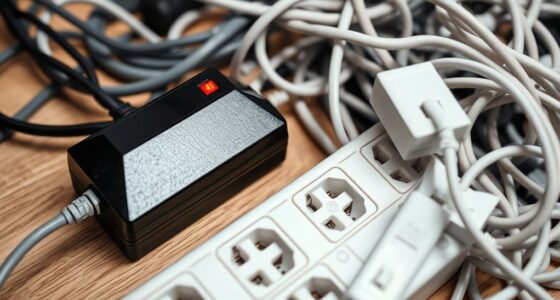
If your GFCI outlet keeps tripping, it often points to a ground fault caused by faulty wiring, damaged cords, or appliances with internal issues. Loose or damaged wires behind the outlet can also trigger the breaker. To stay safe, unplug all devices and reset the outlet—if it trips again, wiring or appliance problems likely exist. Curious about how to fix this safely? Keep exploring to find out more.
Key Takeaways
- Unplug all devices from the GFCI outlet to determine if a faulty appliance is causing the trips.
- Inspect wiring behind the outlet for loose connections, damage, or corrosion that may trigger ground faults.
- Check for signs of wiring issues like burning smells, scorch marks, or flickering lights, and address them promptly.
- Ensure proper grounding and correct wiring installation to prevent false or frequent trips.
- Seek professional electrical assistance if trips persist after troubleshooting or if there are safety concerns.

A GFCI outlet is designed to protect you from electrical shocks by shutting off power when it detects a ground fault, but it can trip unexpectedly for various reasons. When your GFCI keeps tripping, the first thing to think about is whether there’s a ground fault somewhere in your wiring or connected devices. A ground fault occurs when electricity escapes from its intended path, often through a damaged wire or faulty appliance, causing the GFCI to trip as a safety measure. If your outlet trips repeatedly, you might have a wiring issue that needs attention. Faulty wiring can include loose connections, damaged insulation, or corrosion, all of which can cause unintended electrical pathways and trigger the ground fault detection.
A GFCI trips due to ground faults, faulty wiring, or damaged devices, preventing electrical shocks and fires.
Wiring issues are among the most common causes of GFCI trips. Over time, wires can loosen behind the outlet or become damaged due to age, pests, or improper installation. For example, if the wiring connections aren’t secure, it can lead to intermittent contact, which the GFCI interprets as a ground fault and trips to prevent shocks or fires. Sometimes, the wiring in the circuit might be incompatible or improperly grounded, causing false trips or persistent faults. Additionally, if you recently added new appliances or outlets, incorrect wiring connections could be be creating a ground fault. In some cases, a damaged or frayed wire is directly responsible, especially if it contacts the metal box or other grounded surfaces. Wiring integrity is crucial for proper GFCI operation and safety. Regular inspections and understanding ground fault causes can help prevent future issues.
Another aspect to think about is whether the ground fault is caused by a faulty device plugged into the GFCI outlet. Appliances with damaged cords, wet appliances, or devices with internal faults can send stray current to the ground, triggering the GFCI. To troubleshoot, try unplugging all devices connected to the outlet and then reset the GFCI. If it stays on, one of the devices is likely the culprit.
If none of the plugged-in devices seem to cause the trip, then the wiring itself might be the problem. Sometimes, wiring issues are hidden behind the wall, requiring a professional inspection. You may notice signs like flickering lights, burning smells, or scorch marks around the outlet, which point to wiring damage. In such cases, it’s best to call an electrician to inspect and repair the wiring. Attempting to fix wiring issues yourself without proper knowledge can be dangerous. Remember, safety always comes first. Addressing wiring issues promptly not only prevents nuisance trips but also reduces the risk of electrical shocks or fires. Additionally, proper grounding is essential to ensure the GFCI functions correctly and safely. Regularly inspecting your electrical system and understanding ground faults can help prevent future issues and maintain a safe environment.

Klein Tools RT250 GFCI Outlet Tester with LCD Display, Electric Voltage Tester for Standard 3-Wire 120V Electrical Receptacles
CLEAR LCD READOUT: GFCI Receptacle Tester features a large backlit LCD readout for easy voltage reading and clear…
As an affiliate, we earn on qualifying purchases.
As an affiliate, we earn on qualifying purchases.
Frequently Asked Questions
How Often Should I Test My GFCI Outlet?
You should test your GFCI outlet at least once a month to guarantee electrical safety and protect against ground faults. Regular testing helps you identify issues early, preventing potential electrical shocks or fires. Simply press the “test” button, then the “reset” button if it trips. If it doesn’t reset properly, it’s time to replace the outlet. Staying proactive keeps your home safe and maintains reliable protection against ground faults.
Can a GFCI Outlet Be Reset Multiple Times?
Yes, a GFCI outlet can be reset multiple times, like a resilient guardian protecting your electrical safety. When it trips due to a ground fault, resetting restores its watchful eye, ensuring continuous protection. However, frequent trips may signal underlying issues needing professional inspection. Keep in mind, each reset maintains your safety, but persistent trips could compromise the outlet’s reliability, so stay vigilant and address potential electrical hazards promptly.
Are GFCI Outlets Suitable for Outdoor Use?
Yes, GFCI outlets are suitable for outdoor use because they have weather resistance features that protect against moisture and corrosion. When installing, follow proper tips like ensuring the outlet is rated for outdoor use, sealing all connections, and mounting it in a weatherproof box. These steps help keep your GFCI functioning safely and reliably, providing protection from electrical hazards in outdoor environments.
What Appliances Are Most Likely to Trip a GFCI?
Imagine the frustration of a trip that keeps interrupting your day. You’re most likely to trip a GFCI with appliances prone to overload or faulty wiring, like hairdryers, toasters, or power tools. These appliances draw high current or have wiring issues that cause leaks, triggering the safety switch. Keep an eye on any signs of overload or damage, and consider professional inspections to prevent unwanted trips.
How Long Do GFCI Outlets Typically Last?
GFCI outlets typically last between 10 to 15 years, depending on electrical longevity and outlet durability. You might notice more frequent tripping or signs of wear as they age. To guarantee safety, replace them if they’re over a decade old or show physical damage. Regular inspections can help you catch potential issues early, keeping your electrical system safe and functional longer.

OAONAN GFCI Replacement Plug Assembly Auto Reset 15 Amp 3 Prongs, 5 Years Warranty, Ground Fault Circuit Interrupter Safety Plug for Pressure Washer, Hot Tub, Air Conditioner, Hair Dryer
Ultimate Safety with Surge & Lightning Protection – This GFCI replacement plug offers surge protection and lightning resistance,…
As an affiliate, we earn on qualifying purchases.
As an affiliate, we earn on qualifying purchases.
Conclusion
Remember, a GFCI outlet is like an alert sentinel guarding your safety, much like the vigilant Argus watching over Hera. When it trips, it’s warning you of underlying issues that need attention. Don’t ignore these signals—address the causes promptly to keep your home safe. With a little troubleshooting, you can restore peace of mind, knowing you’re acting as wisely as Athena herself, safeguarding your space from unseen dangers.
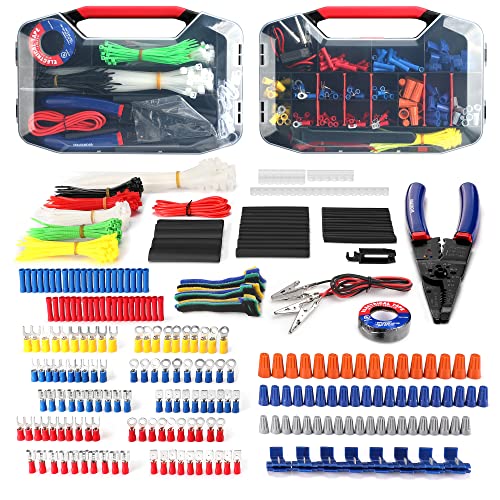
WORKPRO 582-piece Crimp Terminals, Wire Connectors, Heat Shrink Tube, Electrical Repair Kit with Wire Cutter Stripper
Assorted 582 electrical wire terminals and other accessories with transparent box for easy access
As an affiliate, we earn on qualifying purchases.
As an affiliate, we earn on qualifying purchases.

Klein Tools 80041 Outlet Repair Tool Kit with GFCI Receptacle Tester, Non Contact Voltage Tester and Wire Stripper, 3-Piece
SMART BUY: A complete, high-performance kit that offers convenience and value
As an affiliate, we earn on qualifying purchases.
As an affiliate, we earn on qualifying purchases.