
TL;DR

Get everyday essentials delivered free — and shop member deals
- Fast, free delivery on millions of items
- Access to Prime Big Deal Days deals on October 6–7
- Prime Video, Amazon Music and more included
EU Commissioner Lahbib has issued a public statement ahead of the International Day to Protect Education from Attack. The statement highlights ongoing concerns about attacks on educational institutions and calls for increased international cooperation. The event is scheduled for March 2024, with the statement serving as a rallying call for action.
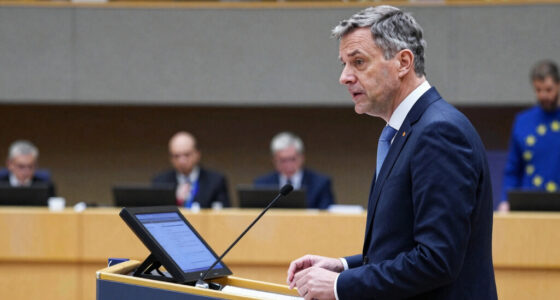
EU Commissioner for Foreign Affairs, Janez Lahbib, has issued a formal statement ahead of the upcoming International Day to Protect Education from Attack, scheduled for March 2024. The statement underscores the EU’s commitment to safeguarding educational institutions worldwide amid ongoing threats and violence. Lahbib’s remarks serve as a public call to reinforce international cooperation and action on this critical issue, which affects millions of children and students globally.
In her statement, Commissioner Lahbib emphasized the urgent need to protect educational spaces from violence, attacks, and intimidation. She highlighted recent reports of increased assaults on schools and universities, particularly in conflict zones and regions experiencing instability. Lahbib reaffirmed the EU’s dedication to supporting international efforts, including diplomatic initiatives and funding programs, aimed at ensuring safe access to education for all children.
The statement also referenced the significance of the International Day to Protect Education from Attack, which aims to raise awareness and mobilize global action against threats to education. Lahbib called on member states, international organizations, and civil society to participate actively in commemorative events and advocacy campaigns scheduled around the day.
While specific policies or new initiatives were not announced, Lahbib’s remarks serve as a diplomatic reminder of the EU’s ongoing commitments and the importance of collective responsibility in defending educational rights worldwide.
Why Lahbib’s Statement Matters for Global Education Security
This statement underscores the EU’s stance on safeguarding education as a fundamental human right, especially in conflict-affected regions. It signals renewed diplomatic focus on addressing violence targeting schools and students, which can have long-term impacts on peace, stability, and development. The call for increased international cooperation may influence future EU policies and funding priorities, potentially leading to more targeted support for vulnerable regions.
Furthermore, Lahbib’s remarks come at a time when global attention is intensifying on the issue, with reports of rising attacks on educational facilities in countries like Yemen, Nigeria, and Syria. The statement aims to galvanize action among international actors, emphasizing that protecting education is a shared responsibility that requires sustained effort and political will.
child safety educational backpacks
As an affiliate, we earn on qualifying purchases.
As an affiliate, we earn on qualifying purchases.
Background on Attacks on Education and International Efforts
Attacks on educational institutions have been a persistent issue in conflict zones, with reports indicating a rise in violence against schools in recent years. According to UNESCO, hundreds of attacks on schools and universities are recorded annually, often resulting in casualties, destruction of facilities, and disruption of learning. These attacks are frequently linked to armed conflict, insurgency, or political violence, and disproportionately affect children in vulnerable regions.
The international community has recognized this threat through initiatives like the Safe Schools Declaration and the Global Coalition to Protect Education from Attack. These efforts aim to promote policies and actions that prevent attacks and ensure safe access to education. The International Day to Protect Education from Attack, established in 2020, serves as an annual reminder of these issues and a platform for advocacy.
Despite these efforts, challenges remain in enforcement, funding, and political will, especially in conflict zones where armed groups may target schools deliberately or incidentally. The EU’s renewed emphasis through Lahbib’s statement reflects ongoing concern and a desire to reinforce existing commitments.
As an affiliate, we earn on qualifying purchases.
Unconfirmed Details About New EU Initiatives
It is not yet clear whether the EU plans to announce new funding programs or specific policy measures aligned with the International Day to Protect Education from Attack. Lahbib’s statement did not specify upcoming actions or initiatives, and details remain to be confirmed by official EU communications in the coming weeks.
As an affiliate, we earn on qualifying purchases.
Upcoming Events and EU Actions Before the International Day
In the lead-up to the March 2024 observance, EU officials are expected to participate in advocacy campaigns, conferences, and diplomatic engagements focused on protecting education. The EU may also release further details about new initiatives or partnerships aimed at strengthening protections for vulnerable educational institutions. Stakeholders and civil society groups are encouraged to participate in commemorative events and advocacy efforts scheduled around the International Day.
educational safety kits for schools
As an affiliate, we earn on qualifying purchases.
As an affiliate, we earn on qualifying purchases.
Key Questions
What is the International Day to Protect Education from Attack?
The International Day to Protect Education from Attack, observed annually in March, aims to raise awareness about violence targeting educational institutions and promote international efforts to safeguard students and teachers worldwide.
Why did Commissioner Lahbib issue this statement now?
The statement was issued ahead of the March 2024 observance to reaffirm the EU’s commitment and to mobilize international support for protecting education in conflict zones.
Are there any new EU policies announced in the statement?
No, the statement did not include specific new policies or funding initiatives but emphasized ongoing commitments and the importance of collective action.
What regions are most affected by attacks on education?
Regions such as the Middle East, Africa, and parts of Asia, including conflict zones like Yemen, Nigeria, and Syria, are most frequently targeted, according to UNESCO reports.
How can the public participate in the International Day?
Public participation can include attending awareness events, supporting advocacy campaigns, and engaging with organizations working to protect education in conflict zones.
Source: primary
Fall Picks
fall essentials
As an affiliate, we earn on qualifying purchases.