
TL;DR

Get everyday essentials delivered free with Prime
- Fast, free delivery on millions of items
- Prime Video, Amazon Music and more included
- Member-only deals all year
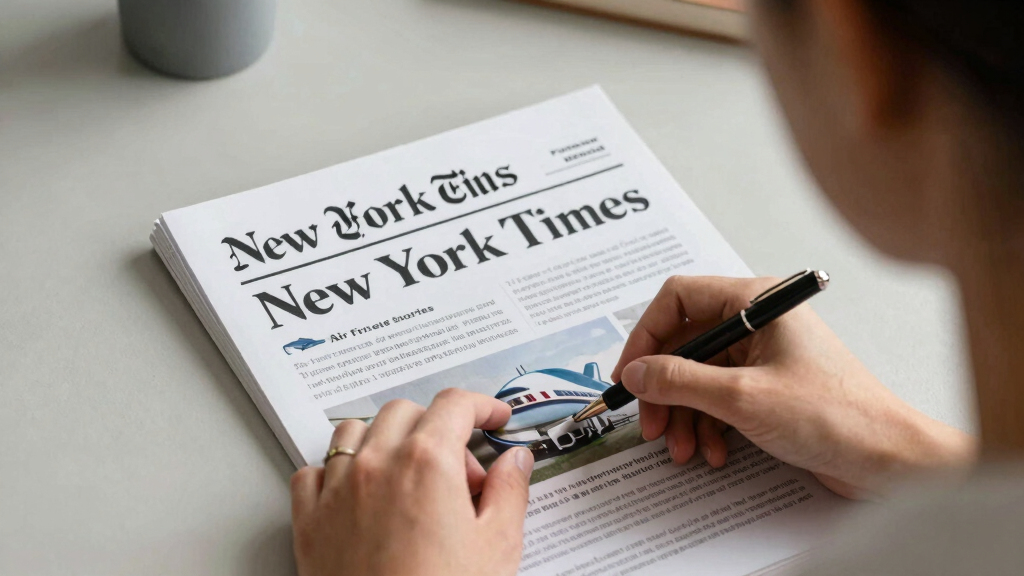
Two New York Times reporters have been subpoenaed by federal authorities following their reporting on Air Force One. The move sparks debate over press freedom and government accountability. Details remain unclear on the reasons behind the subpoenas.
Federal authorities have issued subpoenas to two New York Times journalists following their reporting on Air Force One operations, raising alarms over press freedom and government transparency. The move comes amid ongoing debates about the limits of journalistic independence and government accountability.
The subpoenas were served to reporters involved in recent stories detailing Air Force One’s activities, according to sources familiar with the matter. The Justice Department has not officially confirmed the reasons for the subpoenas but indicated they relate to the reporting on classified or sensitive information.
The New York Times has publicly stated that the subpoenas threaten press freedom and could set a precedent for government interference in journalism. The reporters involved have not been publicly identified, and it is unclear whether they are under investigation or being compelled to testify about their sources or reporting process.
Legal experts note that subpoenas targeting journalists are controversial, especially when they involve national security topics, as they can discourage investigative journalism and restrict the press’s role in holding authorities accountable.
Implications for Press Freedom and Government Oversight
This development underscores ongoing tensions between government secrecy and the press’s role in informing the public. The subpoenas could have a chilling effect on investigative journalism, particularly on stories related to national security and military operations. For the public, it raises concerns about transparency and the potential for government overreach in controlling information.
As an affiliate, we earn on qualifying purchases.
Recent Tensions Over Military and National Security Reporting
In recent months, the press has faced increased scrutiny and legal pressure when reporting on military operations and classified information. The Air Force One stories in question reportedly exposed details about aircraft movements and security protocols, which the government considers sensitive.
Historically, authorities have used subpoenas and other legal tools to restrict reporting on national security issues, but recent cases have intensified debates about the boundaries of press freedom and government transparency.
“The subpoenas threaten the independence of journalism and set a dangerous precedent for government suppression of the press.”
— NY Times spokesperson
investigative journalism equipment
As an affiliate, we earn on qualifying purchases.
As an affiliate, we earn on qualifying purchases.
Unclear Motives Behind the Subpoenas and Next Steps
It remains unclear whether the subpoenas are part of an investigation into the reporters or related to the content of their stories. The government has not provided specific reasons, and the reporters have not publicly commented on the matter. It is also unknown whether legal challenges are forthcoming or if the subpoenas will be enforced.
secure voice recorder for journalists
As an affiliate, we earn on qualifying purchases.
As an affiliate, we earn on qualifying purchases.
Legal and Political Reactions Expected to Develop
Legal battles are likely as the NY Times considers challenging the subpoenas in court. Politicians and press freedom advocates are expected to weigh in, potentially leading to hearings or legislative discussions on protecting journalists. The case could set a precedent for future government actions against the press.
press confidentiality protection tools
As an affiliate, we earn on qualifying purchases.
As an affiliate, we earn on qualifying purchases.
Key Questions
Why were the NY Times reporters subpoenaed?
The exact reason is not officially confirmed, but reports suggest it relates to their recent stories on Air Force One activities and possible classified information.
Does this mean the government is investigating the reporters?
It is not yet clear whether the subpoenas are part of an investigation into the reporters themselves or their sources, or if they are related solely to the content of their reporting.
Could this impact future journalism on national security topics?
Yes, if upheld, such subpoenas could discourage investigative reporting on sensitive topics, raising concerns over press freedom and government transparency.
What legal options does the NY Times have?
The newspaper can challenge the subpoenas in court, arguing they threaten press freedom. The outcome will depend on judicial review and legal arguments presented.
Source: google-trends
Halloween Picks
halloween
As an affiliate, we earn on qualifying purchases.