
TL;DR

Get everyday essentials delivered free with Prime
- Fast, free delivery on millions of items
- Prime Video, Amazon Music and more included
- Member-only deals all year
Military analysts warn that the U.S. Army’s logistics infrastructure is highly vulnerable and could fail in future wars. This assessment highlights risks to supply chains, maintenance, and troop support. The situation raises concerns about readiness and strategic resilience.
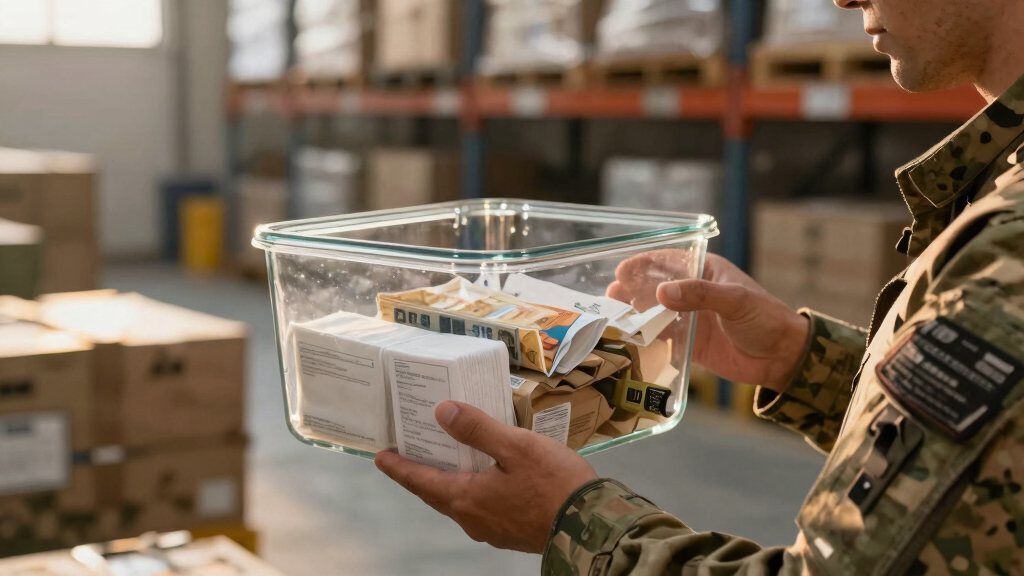
Experts warn that the U.S. Army’s logistics system is dangerously fragile, likening it to a glass backbone that could shatter in the next war. This assessment is based on recent analyses of infrastructure, supply chains, and readiness, raising alarms about the military’s ability to sustain prolonged conflicts.
The warning comes from defense analysts and military insiders who point to aging infrastructure, over-reliance on vulnerable supply routes, and outdated logistical practices. According to a report from the Center for Strategic and International Studies, the Army’s logistical network is increasingly susceptible to disruption from cyberattacks, geopolitical conflicts, and natural disasters. These vulnerabilities threaten the ability to deliver essential supplies, maintain equipment, and support troops in combat zones.While the Army has invested in modernization efforts, experts argue that these improvements are insufficient and too slow to address systemic weaknesses. The logistical system’s fragility was highlighted during recent military exercises where supply chain disruptions caused significant delays and operational setbacks. Officials acknowledge that current logistics are not prepared for a high-intensity conflict involving multiple adversaries or contested supply routes.Furthermore, the global supply chain disruptions caused by recent geopolitical tensions and the COVID-19 pandemic have exposed the fragility of military logistics, emphasizing the need for resilient infrastructure and diversified supply sources.Implications of a Collapsing Military Supply Chain
This vulnerability poses a serious risk to military readiness and national security. If logistics fail during a conflict, it could lead to equipment shortages, reduced troop support, and compromised operations, potentially undermining the U.S. military’s strategic advantages. The warning signals the need for urgent reforms and investments to bolster resilience against emerging threats.
military logistics supply chain management system
As an affiliate, we earn on qualifying purchases.
As an affiliate, we earn on qualifying purchases.
Recent Warnings and Historical Logistics Challenges
The concern over logistics fragility is not new. Historically, supply chain failures have hampered military campaigns, from World War II to recent conflicts in Iraq and Afghanistan. In recent years, the Army has launched modernization initiatives, including new supply management systems and increased automation. However, analysts argue that these efforts are not enough to counteract systemic vulnerabilities exposed by recent global disruptions and evolving warfare scenarios.
Recent military exercises and war games have demonstrated how quickly logistical lines can be targeted or overwhelmed, raising fears that adversaries could exploit these weaknesses in a future conflict. The ongoing geopolitical tensions with China and Russia further exacerbate concerns about contested supply routes and cyber threats targeting logistical networks.
“We have invested in modernization, but the systemic issues remain. Our supply chains are not resilient enough for future warfare scenarios.”
— General Mark Stevens, retired military officer
As an affiliate, we earn on qualifying purchases.
Unclear Extent and Timing of Potential Failures
It is not yet clear how imminent or widespread a logistical failure could be in a future conflict. Experts warn of systemic vulnerabilities but do not specify when or how adversaries might exploit them. The effectiveness of ongoing modernization efforts remains uncertain, and the exact impact of potential disruptions is still under assessment.
As an affiliate, we earn on qualifying purchases.
Next Steps for Military Logistics Resilience
Defense officials are expected to prioritize infrastructure upgrades, supply chain diversification, and cybersecurity enhancements in the coming year. Military exercises may increasingly focus on testing logistics under stress scenarios. Policymakers and military leaders are likely to debate funding and reforms aimed at reducing systemic vulnerabilities to prevent a catastrophic failure in future conflicts.
disaster preparedness military gear
As an affiliate, we earn on qualifying purchases.
As an affiliate, we earn on qualifying purchases.
Key Questions
Why is the Army’s logistics system considered so fragile?
Experts cite aging infrastructure, over-reliance on vulnerable supply routes, and outdated practices as key vulnerabilities that could cause disruptions in high-intensity conflicts.
What are the main risks if logistics fail in a future war?
Potential consequences include equipment shortages, reduced troop support, delays in operations, and overall strategic disadvantages.
Are there efforts underway to fix these vulnerabilities?
Yes, the Pentagon is investing in modernization, cybersecurity, and supply chain diversification, but analysts believe these measures are insufficient or too slow to fully address systemic weaknesses.
How might adversaries exploit logistical vulnerabilities?
Potential tactics include cyberattacks on supply networks, targeting transportation routes, or disrupting communication systems to cause chaos and delay military operations.
Source: hn
Fall Picks
fall essentials
As an affiliate, we earn on qualifying purchases.