
To get started with your bread machine, first activate your yeast in warm water with a touch of sugar until it bubbles. Keep your workspace clean and organized to guarantee good results. Properly kneading the dough with the machine develops gluten, which gives your bread structure. Watch for signs of proper kneading and rising. Adjust ingredients as needed to fix sticky or dry dough. If you want to learn more tips to perfect your bread baking, keep exploring the basics.

Get everyday essentials delivered free with Prime
- Fast, free delivery on millions of items
- Prime Video, Amazon Music and more included
- Member-only deals all year
Key Takeaways
- Properly activate yeast in warm water with a touch of sugar to ensure a good rise.
- Keep the workspace clean, organized, and environmentally friendly for consistent baking results.
- Use the bread machine’s viewing window to monitor kneading and achieve smooth, elastic dough.
- Adjust dough consistency with small water or flour additions to correct stickiness or dryness.
- Assess bread quality by examining texture, appearance, and rise to ensure successful baking outcomes.
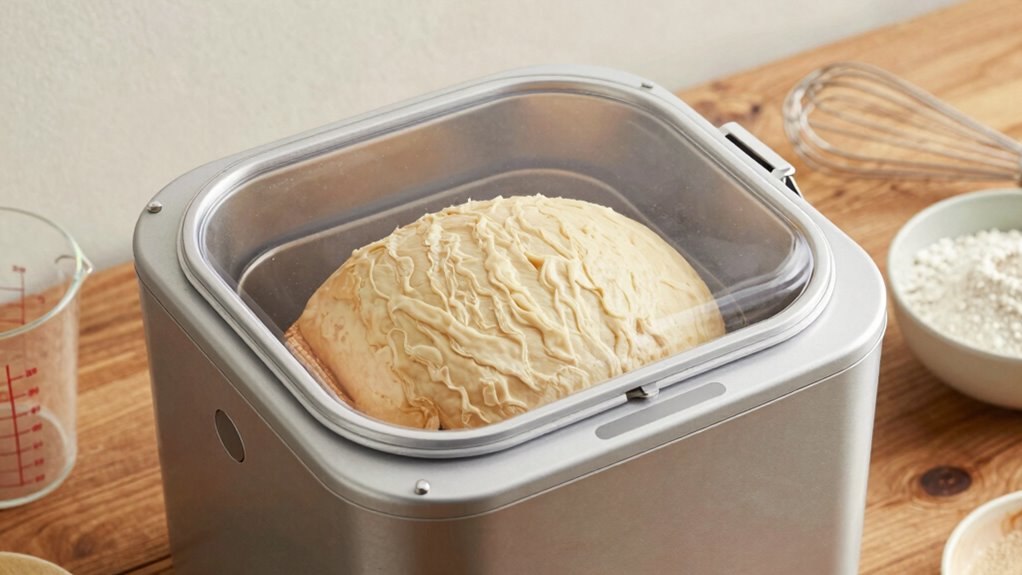
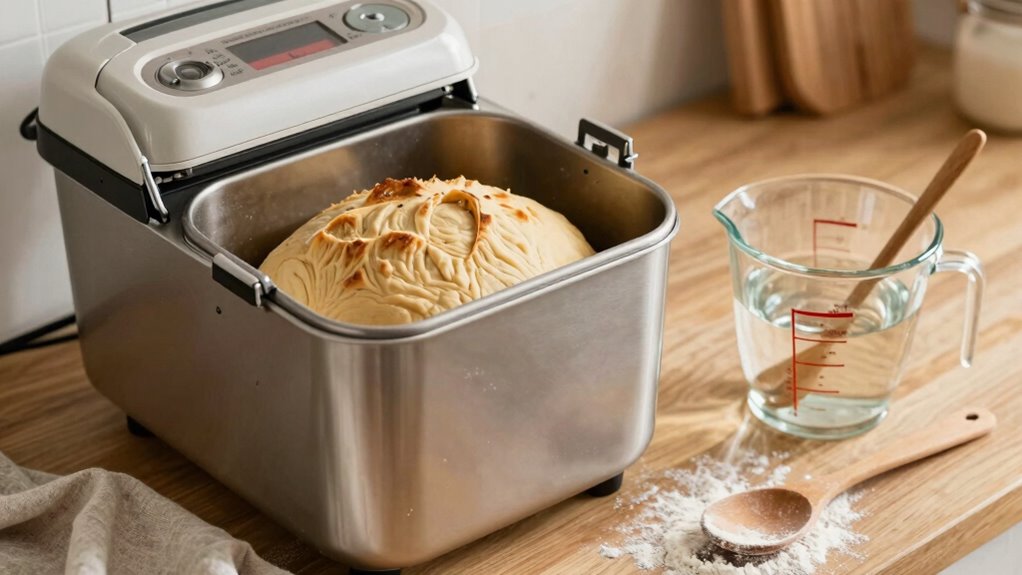
If you’re new to baking bread at home, a bread machine can be a game-changer. It simplifies the process, making it accessible even if you’ve never kneaded dough or worked with yeast before. The key to successful bread from a machine starts with understanding how to activate the yeast properly and mastering dough kneading techniques. When you’re ready to get started, the first step is yeast activation. Usually, this involves dissolving active dry yeast in warm water with a touch of sugar. The water should be around 110°F—hot enough to wake up the yeast but not so hot that it kills it. You’ll see bubbles or foam forming within a few minutes, signaling that your yeast is active and ready to go. If you don’t see any signs of bubbling, it’s best to start over with fresh yeast, as dead yeast won’t produce the rise you need. Proper landscaping around your bread-making space can also create a more inviting environment for your baking projects. Ensuring your workspace is clean and organized can further enhance your baking success. Additionally, paying attention to environmental impact can help you adopt more sustainable baking practices, such as using eco-friendly tools or minimizing waste. Being mindful of baking environment conditions, like temperature and humidity, can further improve your results. Once your yeast is activated, it’s time to focus on dough kneading techniques. While a bread machine handles most of the kneading for you, understanding the process helps you troubleshoot and improve your bread. When the ingredients are combined, the machine’s kneading paddle works to develop gluten, which gives bread its structure. During this stage, the dough should become smooth, elastic, and slightly tacky but not sticky. If it feels overly sticky or dry, you can adjust by adding small amounts of water or flour accordingly. Some bread machines have a window to observe the kneading process; use it to see if the dough is forming correctly. Proper kneading ensures the dough develops enough gluten, which traps the gases produced by the yeast, leading to a good rise. Additionally, understanding the contrast ratio can help you better judge the quality of your baked bread, especially in terms of texture and appearance. Recognizing the importance of water temperature during yeast activation can significantly impact your bread’s rise and texture.
bread machine yeast activation kit
As an affiliate, we earn on qualifying purchases.
As an affiliate, we earn on qualifying purchases.
Frequently Asked Questions
Can I Make Gluten-Free Bread in a Bread Machine?
Yes, you can make gluten-free bread in a bread machine. Use gluten-free flour, which differs from regular flour, and select the gluten-free or gluten-free dough setting on your machine. Keep in mind, gluten-free dough often needs more moisture and less kneading, so you might need to experiment with your specific machine’s settings. With proper adjustments, you’ll enjoy fresh, homemade gluten-free bread.
How Do I Troubleshoot a Bread Machine That Isn’T Mixing Properly?
If your bread machine isn’t mixing properly, start by checking for kneading issues—ensure the paddle is securely attached and that ingredients are added correctly. Listen for unusual motor noise, which could indicate a mechanical problem. Clean the kneading blade and pan to remove any debris. If problems persist, consult the user manual or contact customer support. Regular maintenance helps keep your machine running smoothly and prevents kneading issues.
What’s the Best Way to Store Bread Made in a Bread Machine?
You might think storing bread is simple, but the real trick is preserving its freshness. Wrap your bread tightly in plastic or foil, then store it in a bread box or airtight container at room temperature. For longer storage, freeze slices individually. This bread storage method prevents staling and mold, keeping your homemade bread delicious longer. Ironically, the best way to enjoy fresh-baked flavor is proper storage!
Can I Use Different Types of Flour in My Bread Machine Recipes?
Yes, you can use different types of flour in your bread machine recipes, but flour substitutions require some adjustments. For example, replacing all-purpose flour with bread flour can improve gluten development, while using whole wheat or gluten-free flours may need extra liquid or kneading time. Ingredient flexibility allows you to experiment with flavors and textures, but always check your recipe’s specific recommendations for best results.
How Do I Adjust Recipes for Different Bread Machine Models?
Ever wonder how to tweak recipes for different bread machine models? You should always check your machine’s specific bread machine settings, as they vary by brand and model. Adjust times and cycles as needed, and consider ingredient substitutions that might affect baking. Do you need to add extra liquid or flour? Experiment carefully, noting your changes to perfect your loaf. This approach guarantees consistent results no matter your bread machine.
bread machine kneading paddle replacement
As an affiliate, we earn on qualifying purchases.
As an affiliate, we earn on qualifying purchases.
Conclusion
Now that you know the essentials, you’ll find bread machine baking simpler than ever. Did you know that nearly 60% of home bakers prefer using bread machines for their convenience and consistency? With just a few basic ingredients and some patience, you can enjoy fresh, homemade bread anytime. Keep experimenting with different recipes, and soon, baking bread at home will become a rewarding part of your routine. Happy baking!
As an affiliate, we earn on qualifying purchases.
bread machine viewing window cover
As an affiliate, we earn on qualifying purchases.
As an affiliate, we earn on qualifying purchases.
Halloween Picks
halloween
As an affiliate, we earn on qualifying purchases.