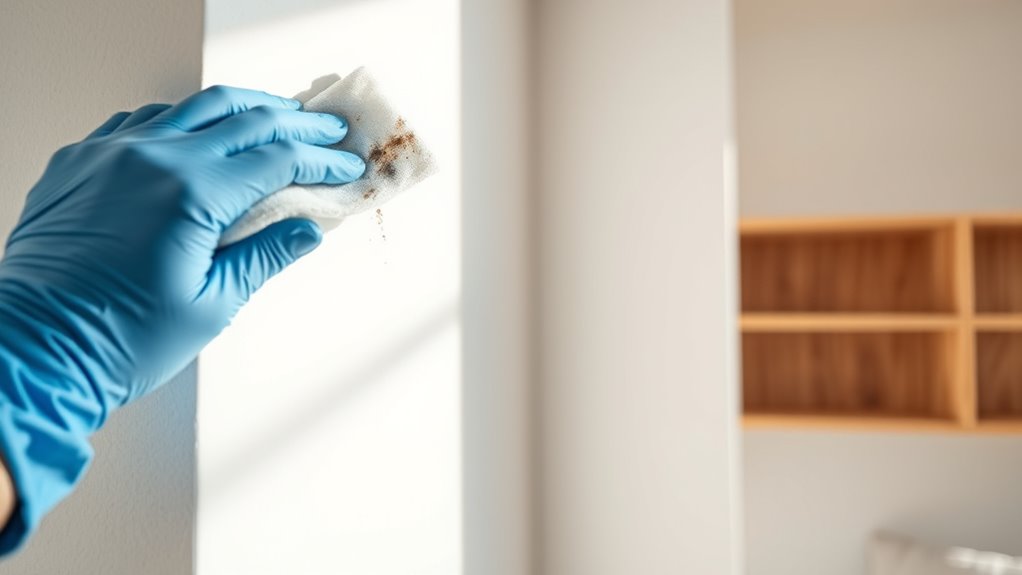

To keep your home mold-free, start by identifying visible signs like patches or a musty smell, especially in damp areas. Safely remove mold using protective gear, cleaning with natural remedies like vinegar or tea tree oil, and thoroughly drying surfaces afterward. Control humidity levels, fix leaks promptly, and use dehumidifiers to prevent future growth. If mold persists or covers large areas, consider professional help—continue exploring for more tips to keep your home safe.
Key Takeaways
- Identify and address visible mold signs and hidden growth to prevent further spread.
- Prepare the area by removing belongings, sealing vents, and wearing protective gear before cleaning.
- Use safe cleaning methods like vinegar or tea tree oil, avoiding bleach on porous surfaces, and thoroughly dry the area afterward.
- Control indoor humidity levels between 30-50%, fix leaks, and improve ventilation to prevent future mold growth.
- Seek professional help if mold covers large areas, persists after cleaning, or causes structural damage.

3M P100 Performance Mold & Lead Paint Removal Respirator, Medium Size, NIOSH-APPROVED P100 Rated Filter, Carbon Layer Helps Reduce Odor Nuisance, Lightweight, Adjustable Head Straps (6297P1-DC)
NIOSH-APPROVED: 3M Particulate Filter 2097, P100 provides at least 99.97% filtration efficiency against solids and liquid aerosols, as…
As an affiliate, we earn on qualifying purchases.
As an affiliate, we earn on qualifying purchases.
Identifying Mold in Your Home
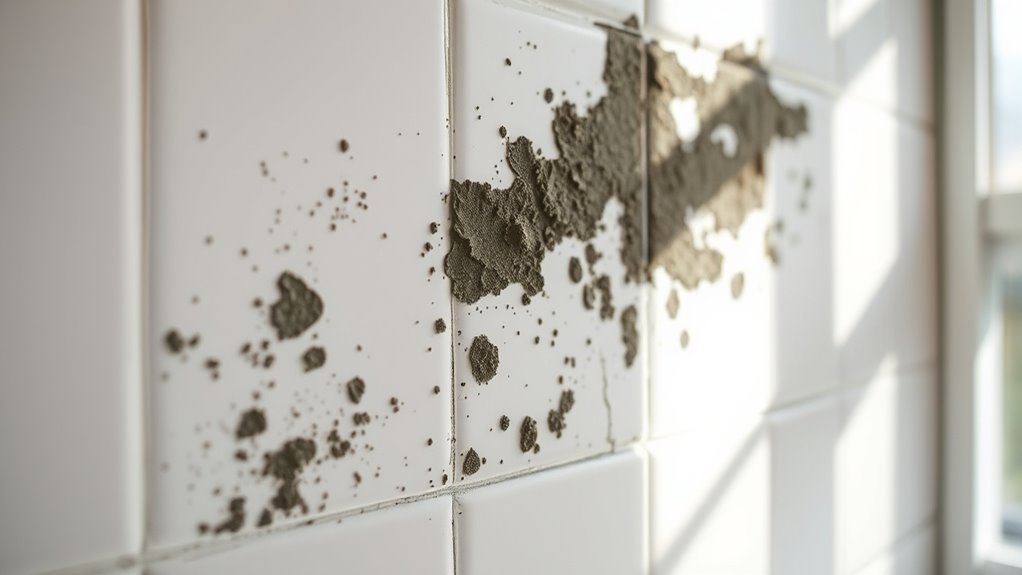
How can you tell if mold is growing in your home? Look for visible signs like black, green, or white patches on walls, ceilings, or floors. Pay attention to musty odors, which often indicate hidden mold. Check damp areas such as bathrooms, basements, and around windows frequently, since these spots are prone to moisture. Mold also grows behind wallpaper, under carpets, or inside walls when moisture gets trapped. Keep an eye on water stains, discoloration, or peeling paint, as these can be clues. Feel for any texture changes—moldy surfaces might feel fuzzy or slimy. Being vigilant helps you catch mold early before it spreads, safeguarding your health and your home’s integrity. Additionally, understanding the contrast ratio of your home projectors can help you create an ideal viewing environment, free from glare and reflections that could mimic mold-like shadows or spots. Regularly inspecting areas with water intrusion issues and prompt remediation can prevent mold from establishing itself. To further protect your home, consider using proper ventilation systems to reduce excess moisture and humidity.

Naeterra- Refreshingly Clean | Tea Tree & Peppermint Cleaning Concentrate | Multi-Purpose Household Cleaner | Non-Toxic | Natural Ingredients | Versatile Use | Eliminates Odors | Eco-Friendly | 64 oz
Natural Powerhouse Cleaner: Harnessing the potent cleaning properties of Tea Tree and Peppermint, this concentrate multipurpose cleaner delivers…
As an affiliate, we earn on qualifying purchases.
As an affiliate, we earn on qualifying purchases.
Preparing for Safe Mold Removal
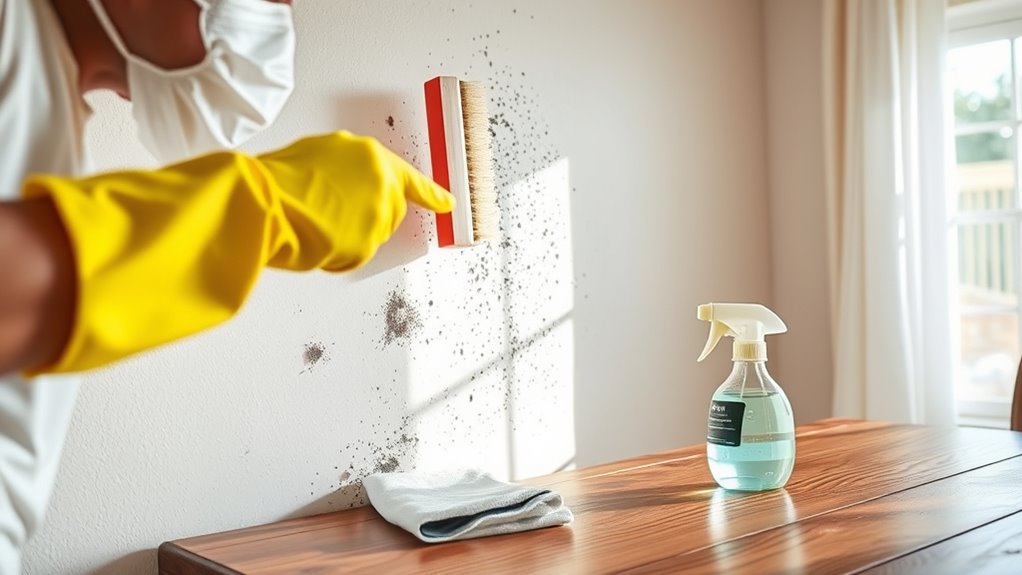
Before beginning mold removal, it’s vital to prepare your space to guarantee safety and effectiveness. Clear the area of personal belongings, especially porous items like fabric, paper, or cardboard, which can harbor spores. Turn off HVAC systems and seal vents to prevent spores from spreading throughout your home. Wear protective gear such as gloves, goggles, and an N95 mask to shield yourself from mold spores and cleaning fumes. Make certain proper ventilation by opening windows or using exhaust fans. Cover nearby furniture and floors with plastic sheeting to contain debris. Gather all necessary cleaning supplies, including natural fungicides, brushes, and cleaning cloths, so you’re ready to act efficiently. Proper preparation minimizes exposure risks and sets the stage for a thorough, safe mold removal process. Additionally, understanding the airflow patterns within your home can aid in directing airflow away from uncontaminated areas during removal. Recognizing mold spread pathways helps in controlling contamination more effectively during cleanup. Being aware of exposure risks and taking appropriate precautions further ensures your safety during the process.

ToLife Dehumidifiers for Home, 1000 sq.ft Dehumidifier for Basement Bedroom Bathroom with 95 OZ Water Tank Auto Shut Off 7 Colors LED Light, Grey
Upgrade High Efficient Dehumidification: Dehumidifier utilize semi conductor condensation technology, ensuring quiet operation while effectively extracting moisture from…
As an affiliate, we earn on qualifying purchases.
As an affiliate, we earn on qualifying purchases.
Effective Cleaning Techniques and Natural Remedies
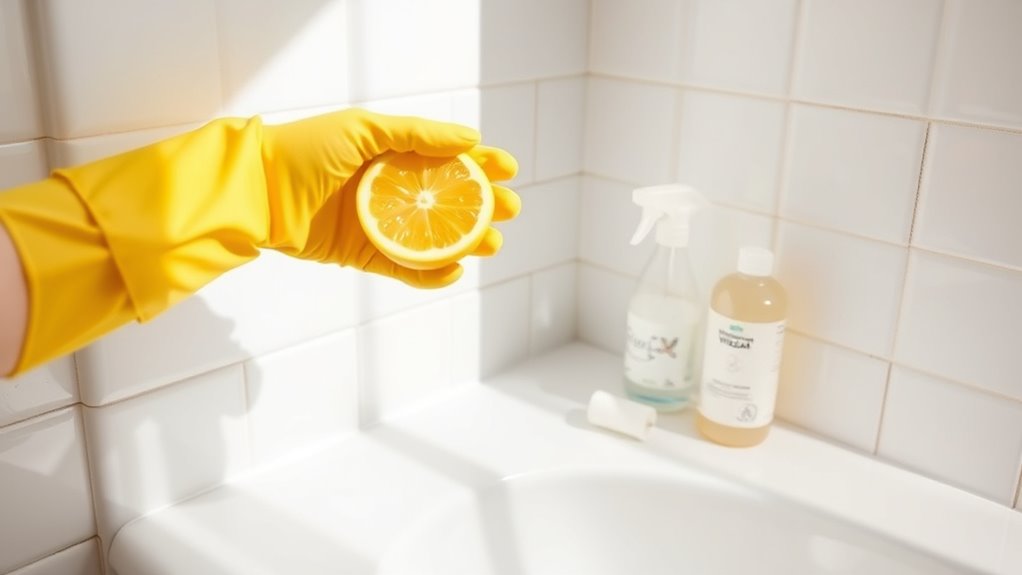
Effective cleaning of mold relies on using the right techniques and natural remedies that safely eliminate spores without harmful chemicals. Start by wearing gloves, goggles, and a mask to protect yourself. Use a vacuum with a HEPA filter to remove loose spores before cleaning surfaces. Clean moldy areas with a stiff brush and hot water mixed with soap or detergent—avoid bleach on porous materials, as it’s ineffective and harsh. For natural remedies, apply white vinegar or diluted tea tree oil directly to moldy spots; both inhibit mold growth without toxicity. After cleaning, make certain surfaces are thoroughly dried to prevent regrowth. Regularly inspect and maintain ventilation to keep moisture levels low. Additionally, using effective cleaning techniques can significantly enhance mold removal efforts and prevent recurrence. These methods help you remove mold safely while minimizing health risks and environmental impact. Incorporating proper ventilation practices further reduces humidity and discourages mold development, ensuring a healthier home environment. To further support mold prevention, consider using air purifiers with HEPA filters, which can trap airborne mold spores and improve indoor air quality. Properly maintaining humidity levels below 50% is also essential in preventing mold growth and maintaining a mold-free home.

Mold Test Kit for Home – 12 Simple Detection Tests,Test HVAC System,Home Surfaces,& Indoor Air Quality Testing Kits,DIY Mold Detector at Home,Includes Detailed Mold Identification Guide,air Tester
The Kayenqo Mold Test Kit contains 12 test plates, detailed mold guide and mold removal instructions, 12 swabs,…
As an affiliate, we earn on qualifying purchases.
As an affiliate, we earn on qualifying purchases.
Preventing Future Mold Growth
To keep mold from returning after cleaning, focus on preventing moisture buildup in your home. Maintaining indoor humidity between 30% and 50% helps inhibit mold growth. Use dehumidifiers in damp areas like basements and bathrooms, and fix leaks promptly to avoid water accumulation. Proper insulation and sealing around windows and doors reduce condensation. Ensure good drainage around your foundation to prevent water pooling. Regularly servicing your whole-house water filtration system can also prevent mold spores from spreading through your water supply. Additionally, installing moisture barriers in susceptible areas can further reduce humidity and moisture intrusion. Monitoring indoor humidity levels with a hygrometer can help you maintain optimal conditions and prevent future mold development. Staying aware of electric bike trends can also provide insights into effective home maintenance and lifestyle adjustments that support a healthy environment.
When to Seek Professional Help
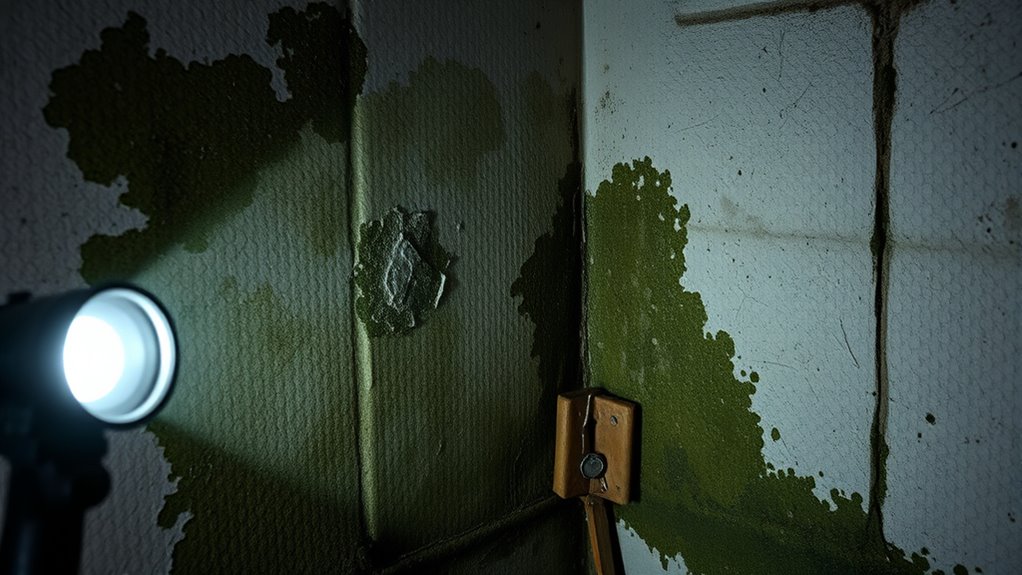
Recognizing when to call in a professional is essential, especially if mold covers a large area or has penetrated hidden structural components. If mold growth exceeds 10 square feet or if you’re unsure about the extent, it’s best to seek expert help. Professionals can safely remove extensive mold, preventing spores from spreading further and causing health issues. Additionally, if mold reappears after DIY cleaning or if you notice persistent musty odors, it indicates hidden problems needing specialized equipment and techniques. Structural damage, such as compromised drywall or insulation, also warrants professional intervention. Don’t risk exposure or incomplete removal—get a professional assessment to ensure your home is thoroughly and safely mold-free. Understanding mold remediation is vital for maintaining a healthy living environment. Be aware that mold growth can sometimes be hidden behind walls or in other inaccessible areas, making professional evaluation crucial for comprehensive remediation. Proper inspection techniques can identify concealed mold, preventing future issues.
Frequently Asked Questions
How Long Does It Take for Mold to Reappear After Cleaning?
Mold can reappear within 24 to 48 hours if you don’t address underlying moisture issues. To prevent this, you need to keep humidity levels between 30% and 50%, fix leaks promptly, and guarantee proper ventilation. Regular inspections are vital. If moisture persists, mold spores can quickly settle and grow again, making ongoing moisture control and home maintenance essential to keeping mold at bay long-term.
Can Mold Spores Cause Long-Term Health Issues?
Yes, mold spores can cause long-term health issues if you’re exposed over time. They can trigger allergies, asthma, respiratory problems, and even more serious conditions like infections or neurological symptoms. That’s why it’s essential to control moisture, clean mold promptly, and improve ventilation. Regularly monitor your home’s humidity levels and address leaks immediately to minimize spore presence and protect your health over the long run.
Are There Specific Home Remedies That Permanently Eliminate Mold?
No home remedies alone can’t permanently eliminate mold, but they help control it. You should regularly clean affected areas with natural solutions like white vinegar or tea tree oil, which inhibit mold growth. Keep moisture levels low by fixing leaks, using dehumidifiers, and ensuring proper ventilation. Consistent maintenance and moisture control are key to preventing mold from returning, making these remedies effective as part of a long-term prevention strategy.
What Are the Most Common Overlooked Areas for Mold Growth?
You often overlook areas like behind appliances, inside wall cavities, and under sinks where moisture hides. Check attic and crawl spaces regularly, as these spots can trap dampness. Don’t forget to inspect window sills, baseboards, and HVAC systems, since mold loves lingering in these hidden, humid spots. Regularly cleaning these overlooked areas prevents mold from taking hold and keeps your home healthier and safer.
How Can I Prevent Mold in Newly Renovated Homes?
To prevent mold in your newly renovated home, control moisture by maintaining humidity between 30-50%, using dehumidifiers, and fixing leaks promptly. Guarantee proper ventilation in bathrooms, kitchens, and laundry areas, and open windows when possible. Keep gutters clean, inspect roofs for damage, and maintain attic and crawl space ventilation. Regularly monitor humidity levels with hygrometers, and use mold-resistant paints and materials to create an inhospitable environment for mold growth.
Conclusion
By staying vigilant and acting promptly, you can protect your home from mold’s silent invasion. Like a brave hero in a story, your efforts keep your sanctuary safe and healthy. Remember, mold may be unseen but its impact isn’t—so take charge today. With each step you take, you’re defending your haven, ensuring it remains a place of comfort and safety for you and your loved ones. Stay vigilant, stay healthy.