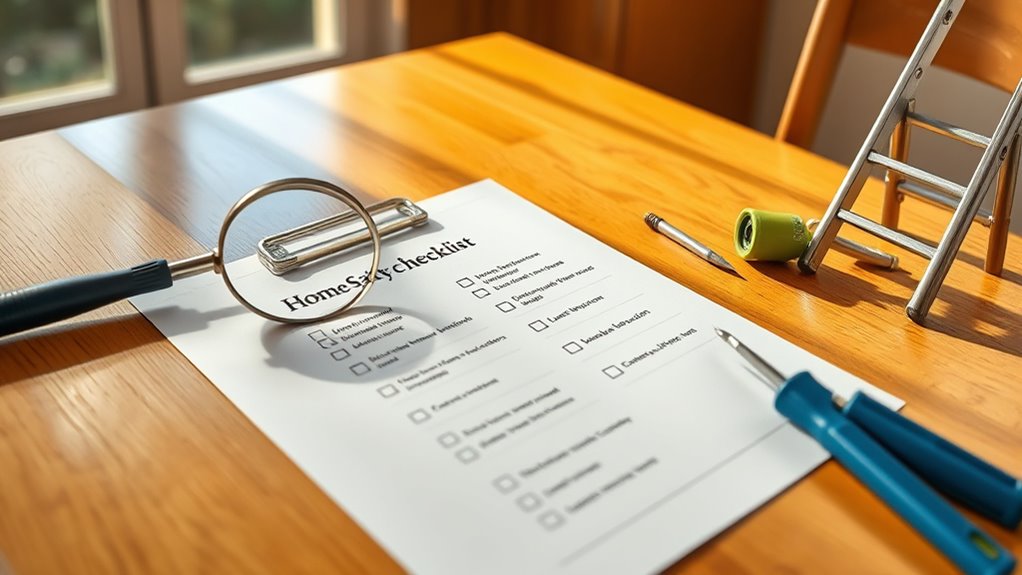
To keep your home safe and prevent problems, test smoke detectors and carbon monoxide alarms monthly, replace batteries as needed, and make certain alarms sound loudly. Check all windows for secure locks and clear obstructions, and inspect fire extinguishers and electrical wiring for damage. Regularly clean gutters and confirm household emergency plans are up-to-date. Staying on top of these tasks can avoid costly repairs and safety hazards—keep going to discover more helpful tips.
Play games included with Prime
Start a Prime free trial and play with Amazon Luna on your devices.
As an affiliate, we earn on qualifying purchases.
Key Takeaways
- Test smoke and carbon monoxide detectors monthly; replace batteries or units as needed.
- Inspect windows for secure locks, undamaged frames, and clear escape routes.
- Ensure fire extinguishers are fully charged and accessible; recharge or replace expired units.
- Examine electrical wiring for damage, frayed cords, or scorch marks; call an electrician if issues are found.
- Check household emergency plans and supplies; update procedures and restock safety items regularly.

Are you confident your home is as safe as it can be? Regular maintenance is essential to keep your space secure and prevent avoidable accidents. One of the most critical tasks is fire alarm testing. You should test your smoke detectors monthly to ensure they’re functioning properly. A simple press of the test button will confirm if the alarm sounds loudly, alerting you to any potential fire hazards. If your alarm doesn’t go off or the sound is weak, it’s time to replace the batteries or the entire unit. Remember, a working fire alarm can be the difference between safety and disaster, so don’t skip this step. Alongside fire alarm testing, paying attention to your window security is equally important. Check all windows to make sure they lock securely and that there are no broken latches or damaged frames. Reinforcing window security might involve installing additional locks or window sensors that alert you if a window is opened unexpectedly. This simple task can deter burglars and prevent accidental falls, especially on higher floors. When inspecting, don’t forget to clear any obstructions like furniture or curtains that could hinder quick escape in case of an emergency. Additionally, understanding the contrast ratio of your home’s lighting and security systems can help optimize visibility and safety during power outages or emergencies.
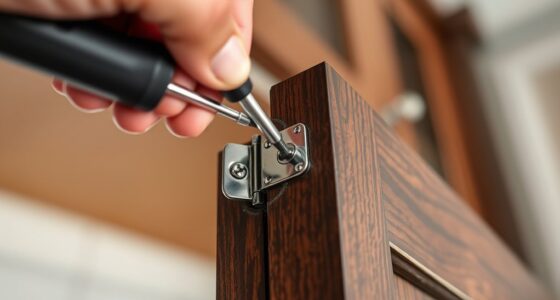
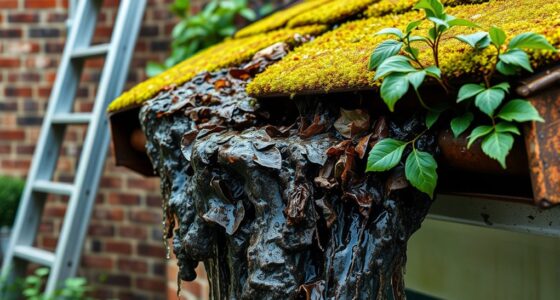
Beyond fire alarm testing and window security, you should routinely examine other safety elements. Inspect your fire extinguishers to ensure they’re fully charged and accessible, and replace or recharge them if needed. Test carbon monoxide detectors to confirm they’re operational, replacing batteries annually if they’re not hardwired. Check your home’s electrical wiring for signs of wear or damage, such as frayed cords or scorch marks, and call an electrician if you notice any issues. Likewise, inspect your locks on doors and garage entries—make sure they work smoothly and consider upgrading to more secure options if they seem outdated. Regularly cleaning your gutters prevents water buildup that can cause leaks or damage, which could lead to structural problems or mold growth. Also, review your emergency plan, ensuring everyone in your household knows what to do in case of fire, break-in, or natural disaster.
battery operated smoke detectors
As an affiliate, we earn on qualifying purchases.
As an affiliate, we earn on qualifying purchases.
Frequently Asked Questions
How Often Should Smoke Detectors Be Tested?
You should test your smoke detectors at least once a month to guarantee they’re working properly. Smoke detector testing is a quick process—you press the test button and listen for the alarm sound. Regular alarm maintenance helps keep your home safe, so make it part of your routine. Don’t forget to replace batteries annually or as needed, and check the detector’s expiration date to ensure peak performance.
What Are Signs of Electrical System Issues?
You should watch for signs of electrical system issues like flickering lights, burning smells, or frequently tripped circuit breakers. Faulty electrical wiring can cause shocks or sparks, while overloaded circuits might trip often. If outlets are warm or discolored, or if you notice buzzing sounds, these are warning signs. Regularly inspecting your circuit breakers and wiring helps prevent major problems and keep your home safe.
How Can I Prevent Mold Growth Indoors?
Think of your home like a revitalizing gust—good ventilation improves indoor air quality and keeps moisture at bay. To prevent mold growth, regularly improve ventilation in damp areas like bathrooms and kitchens, and control moisture through dehumidifiers or exhaust fans. Keep an eye on leaks and water intrusion, and guarantee your home stays dry. These simple steps help you stay ahead of mold before it becomes a problem.
When Should I Replace My HVAC Filters?
You should replace your HVAC filters every 1 to 3 months, depending on usage and filter type. Regular filter replacement improves air quality, reduces allergens, and boosts energy efficiency. Check your filters monthly; if they look dirty or clogged, it’s time for a change. Keeping up with this simple task prevents system strain, maintains ideal airflow, and guarantees your home stays fresh and healthy year-round.
What Safety Precautions Are Recommended for Chimney Maintenance?
Think of your chimney as a trusted guardian guarding your home’s warmth. To keep it alert, you must perform chimney cleaning and flue inspection regularly. Always wear protective gear, like gloves and goggles, to shield yourself from soot and debris. Confirm the fire is out before starting, and work in well-ventilated areas. If unsure, hire a professional to safely handle the inspection and cleaning, maintaining your home’s protective guardian.
As an affiliate, we earn on qualifying purchases.
Conclusion
By tending to these small, routine tasks each month, you’re gently nurturing a safe and cozy home. Think of it as tending a delicate garden—regular care keeps everything thriving and trouble at bay. With a little effort, you create a warm haven where surprises stay pleasant and worries stay out of sight. Embrace these simple steps, and enjoy the peace of mind that comes from knowing your home is well cared for and secure.
As an affiliate, we earn on qualifying purchases.
carbon monoxide detector with digital display
As an affiliate, we earn on qualifying purchases.
As an affiliate, we earn on qualifying purchases.
Fall yard work Picks
leaf blowers
As an affiliate, we earn on qualifying purchases.