
TL;DR
The United States has officially declared it will not renew the USMCA trade agreement with Mexico and Canada. This decision marks a major change in North American trade relations, raising questions about future economic policies and regional cooperation.
The United States has officially announced it will not renew the USMCA trade agreement with Mexico and Canada, a move that could reshape regional economic relations and trade policies. This decision, confirmed by officials in the Biden administration, marks a significant departure from previous commitments to maintain the trade pact, which has been in effect since 2020.
According to a statement from the U.S. Trade Representative’s office, the decision to not pursue renewal was made after a comprehensive review of the trade framework and its impact on American industries. The administration cited concerns over trade deficits, labor standards, and the need to renegotiate terms to better serve U.S. interests.
Officials emphasized that the decision does not mean the end of trade relations with Mexico and Canada but signals a shift toward bilateral negotiations or alternative agreements. The USMCA, which replaced NAFTA, was designed to modernize trade rules across North America, covering digital trade, labor rights, and environmental standards.
Mexican and Canadian officials have expressed disappointment but acknowledged the importance of ongoing dialogue. The Mexican government called the move “unexpected” but reaffirmed its commitment to regional cooperation. Canada’s trade minister stated that Ottawa is reviewing the implications and exploring options to preserve strong economic ties.
Implications for North American Trade and Economy
This decision could lead to increased trade uncertainty in the region, potentially disrupting supply chains and affecting economic growth. It signals a shift in U.S. trade policy, possibly encouraging bilateral deals or new multilateral arrangements. The move also impacts industries that relied on USMCA’s provisions, such as automotive manufacturing, agriculture, and technology sectors.

Comprehensive Residential Lease Agreement Forms: Includes 3 Blank Rental Forms & Reference Guide – Residential Rental Lease Agreements Forms for Rental Property Owners
Comprehensive Lease Toolkit: Zastic! offers a complete solution with 3 blank residential lease agreement forms, enabling landlords to…
As an affiliate, we earn on qualifying purchases.
As an affiliate, we earn on qualifying purchases.
Background of USMCA and Recent U.S. Trade Policies
The USMCA was signed in 2018 and came into effect in 2020, replacing NAFTA with updated rules intended to boost U.S. manufacturing, protect intellectual property, and promote fair labor practices. The agreement was regarded as a cornerstone of U.S.-Mexico-Canada economic relations for the past four years.
Under the Biden administration, the U.S. initially signaled support for USMCA, emphasizing modernization and enforcement. However, in recent months, critics and policymakers have raised concerns about persistent trade deficits and the effectiveness of the agreement in addressing labor and environmental issues. The decision not to renew marks a notable shift from previous U.S. trade strategies.
“The United States has decided not to pursue renewal of the USMCA. We are committed to exploring new pathways to ensure our trade policies align with our economic priorities.”
— U.S. Trade Representative’s Office
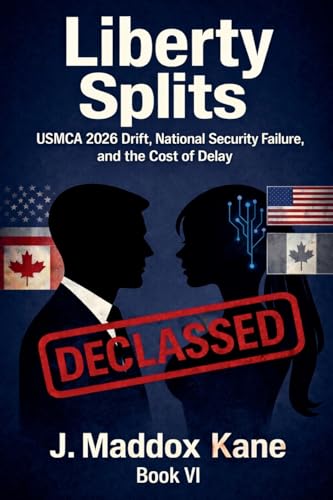
Liberty Splits: USMCA 2026 Drift, National Security Failure, and the Cost of Delay (The SIGMA Directive)
As an affiliate, we earn on qualifying purchases.
As an affiliate, we earn on qualifying purchases.
Unanswered Questions About Future Trade Arrangements
It is not yet clear what specific trade agreements or policies the U.S. will pursue instead of USMCA. Details about potential bilateral deals, regional partnerships, or new multilateral frameworks remain undisclosed. The impact on existing trade sectors and tariffs is also still uncertain.

Wisconsin Residential Lease Agreement | Rental Form for Landlords | State Disclosures + Instructions
Wisconsin Residential Lease Agreement – designed for single-family homes, condominiums, and townhomes.
As an affiliate, we earn on qualifying purchases.
As an affiliate, we earn on qualifying purchases.
Next Steps in U.S.-Mexico-Canada Economic Relations
The U.S. government is expected to begin bilateral negotiations with Mexico and Canada to establish new trade terms. Both Mexico and Canada are likely to respond with their own proposals, and regional leaders may seek to convene discussions to stabilize economic ties. The timeline for these negotiations and their outcomes remains to be seen.
USMCA trade compliance tools
As an affiliate, we earn on qualifying purchases.
As an affiliate, we earn on qualifying purchases.
Key Questions
Why is the U.S. not renewing USMCA?
The U.S. cited concerns over trade deficits, labor standards, and a desire to renegotiate terms that better serve American interests as reasons for not renewing the agreement.
Will trade between the U.S., Mexico, and Canada stop?
No, trade is expected to continue, but the current framework established by USMCA will no longer be in effect. New agreements or arrangements are likely to replace it.
How will this affect industries like automotive manufacturing?
Disruptions or uncertainties could occur in industries that relied on USMCA’s provisions, potentially affecting supply chains, tariffs, and cross-border operations.
What are the possible alternatives for regional trade?
The U.S. may pursue bilateral agreements with Mexico and Canada or seek new regional trade frameworks, but specific plans have not yet been announced.
When will the new trade policies be announced?
The timeline for new trade negotiations is still unclear, but officials suggest they will begin in the coming months.
Source: google-trends