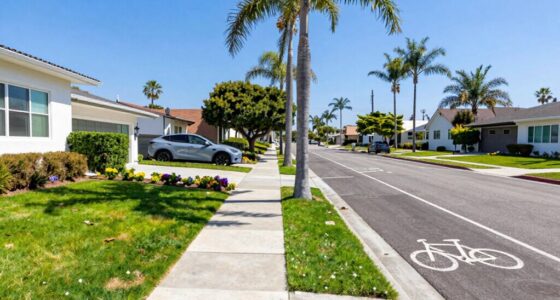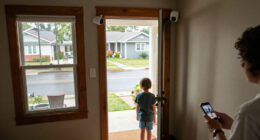

Before moving to California, you’ll want to ask about market trends to know if home prices are rising or stable and whether you’re in a seller’s or buyer’s market. Safety is also key; research crime rates, neighborhood patrols, and visit at different times. Understanding property values, community plans, and local regulations helps you make a smart purchase. Keep exploring these questions to get detailed insights and confirm your move is successful.

Get everyday essentials delivered free with Prime
- Fast, free delivery on millions of items
- Prime Video, Amazon Music and more included
- Member-only deals all year
Key Takeaways
- What are current market trends and property prices in the desired neighborhood?
- How safe is the neighborhood regarding crime rates and community safety measures?
- How stable are property values and future development plans in the area?
- Are there any zoning laws or regulations that impact property use or future renovations?
- What community amenities and access to services influence overall neighborhood safety and livability?

Moving to California can be exciting, but it also raises a lot of significant questions for prospective buyers. One of the first things you’ll want to understand is the current market trends. California’s real estate landscape is constantly changing, so it’s essential to stay informed about whether home prices are rising or stabilizing. Are values trending upward in the neighborhoods you’re interested in? Is it a seller’s market or a buyer’s market right now? These factors will influence your offer strategy and how quickly you need to act. Knowing the market trends helps you gauge whether it’s the right time to buy and can help you avoid overpaying. It also affects your long-term investment outlook, especially if you plan to hold onto the property for years.
Another vital question involves neighborhood safety. Moving to California means choosing a community where you’ll feel secure and comfortable. You should research crime rates, neighborhood patrols, and community engagement levels. Many areas offer detailed crime statistics, which can give you a clearer picture of safety. It’s wise to visit neighborhoods at different times of the day to get a feel for the environment. Talk to local residents and check online reviews to understand the community’s vibe. Safety isn’t just about crime; it also involves access to emergency services, street lighting, and walkability. If you’re planning to start a family or settle down, these factors become even more essential. Additionally, understanding real estate market trends can help you make informed decisions and better anticipate future property values.
Researching property values and how they fluctuate over time can give you insight into the stability of the market in your chosen area. Understanding the neighborhood safety can also impact your property’s value. Homes in safer areas tend to hold their worth better and attract more buyers if you decide to sell later. Conversely, areas with higher crime rates might require you to weigh safety concerns against affordability. As you evaluate neighborhoods, consider proximity to schools, parks, and amenities, which also contribute to a sense of security and community well-being. Being aware of local zoning laws can additionally help you understand development plans that may influence future safety and property values in your area. Moreover, familiarizing yourself with building and safety codes can ensure your property complies with local regulations, potentially saving you from costly issues down the line.
California neighborhood crime rate report
As an affiliate, we earn on qualifying purchases.
As an affiliate, we earn on qualifying purchases.
Frequently Asked Questions
What Are the Best Neighborhoods for Families in California?
You’ll find the best neighborhoods for families in California often boast excellent school districts and high safety ratings. Areas like Palo Alto, Irvine, and Thousand Oaks stand out because they prioritize education and community safety. You should research local school districts and safety ratings to guarantee your family feels secure and supported. These neighborhoods offer family-friendly amenities, parks, and good schools, making them ideal places to settle down and thrive.
How Does California Property Tax Work for New Homeowners?
They say “know thyself,” but knowing how California property tax works is equally important. As a new homeowner, you’ll encounter assessment methods that determine your property’s value and tax exemptions that may lower your bill. California’s property tax rate is generally around 1%, but special assessments and local levies can add to that. Stay informed and explore exemptions like the homeowner’s exemption to keep your costs manageable.
Are There Any Upcoming Zoning Changes in Popular Areas?
You’ll want to stay updated on zoning regulations and land use changes in popular areas, as these can impact your property value and neighborhood vibe. Check local government websites or attend community meetings for the latest info on upcoming zoning changes. Planning ahead helps you understand if future developments could affect your property, so stay proactive and informed about any proposed modifications to zoning laws that might influence your new home.
What Are the Typical Resale Values for Homes in California?
Oh, sure, because resales in California are basically guaranteed to make you rich, right? Well, not exactly. Market trends fluctuate, and resale values vary wildly depending on location, condition, and timing. But if you’re eyeing investment opportunities, California’s real estate often offers decent appreciation, especially in hot spots. Just remember, it’s not a golden ticket—do your homework, stay updated on market trends, and plan for the long haul.
How Long Does the Home Buying Process Usually Take?
The home buying process typically takes about 30 to 60 days. First, you’ll schedule a home inspection to identify any issues. Then, you’ll work on getting mortgage approval, which can extend the timeline if there are delays. Throughout, your real estate agent helps coordinate these steps. Staying organized and responsive speeds up the process, helping you move into your new home sooner.
home safety security system California
As an affiliate, we earn on qualifying purchases.
As an affiliate, we earn on qualifying purchases.
Conclusion
Exploring California’s real estate landscape is like charting a course through a vast, intricate forest. Each question you ask acts as a guiding compass, helping you avoid hidden thorns and find the clearest path to your dream home. Trust your curiosity, stay informed, and embrace the journey. With patience and knowledge as your trusted map, you’ll emerge on the other side, ready to step confidently into your new chapter—your perfect clearing in this vibrant California wilderness.
California real estate market analysis book
As an affiliate, we earn on qualifying purchases.
As an affiliate, we earn on qualifying purchases.
property value estimator California
As an affiliate, we earn on qualifying purchases.
As an affiliate, we earn on qualifying purchases.
Halloween Picks
halloween
As an affiliate, we earn on qualifying purchases.