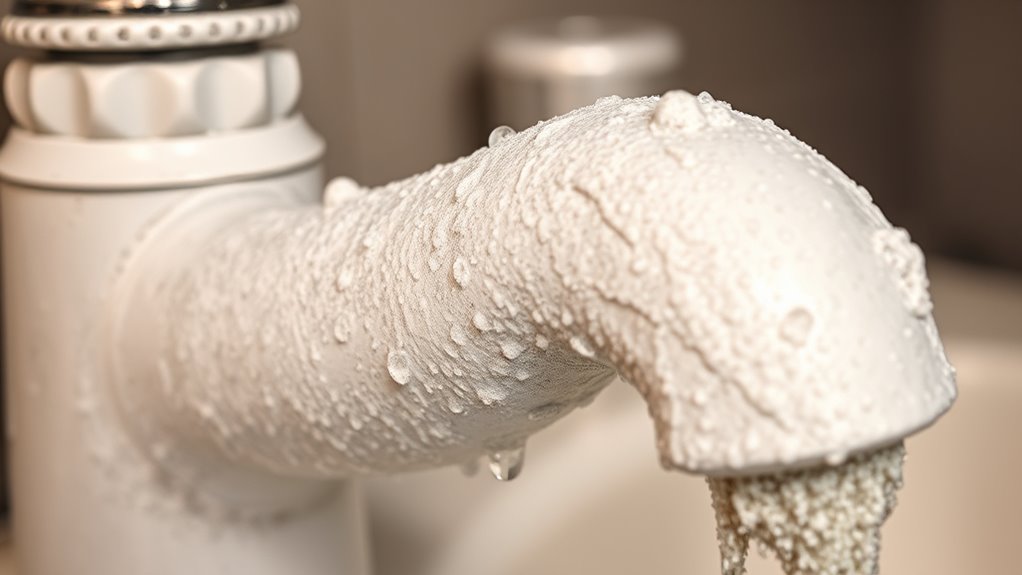

To tackle lime and mineral buildup from hard water, start by applying a vinegar and water spray to affected surfaces and scrub with a soft brush. For fixtures, soak cloths in vinegar and wrap them around taps for 30 minutes. Installing a water softener or filtration system helps prevent future buildup. Regular cleaning and maintenance keep surfaces clear. Keep going for more tips on how to effectively manage and prevent hard water damage in your home.

Get everyday essentials delivered free — and shop member deals
- Fast, free delivery on millions of items
- Access to Prime Big Deal Days deals on October 6–7
- Prime Video, Amazon Music and more included
Key Takeaways
- Use vinegar and water spray or soak fixtures to dissolve mineral deposits effectively.
- Scrub stubborn buildup with a soft brush or non-abrasive sponge for thorough cleaning.
- Install water softening systems like ion exchange units to prevent future mineral accumulation.
- Regularly clean fixtures and pipes with acidic solutions to slow mineral buildup.
- For severe deposits, consider professional descaling, hydro-jetting, or advanced water treatment systems.
vinegar spray for mineral deposits
As an affiliate, we earn on qualifying purchases.
As an affiliate, we earn on qualifying purchases.
Recognizing the Signs of Mineral Buildup in Your Home
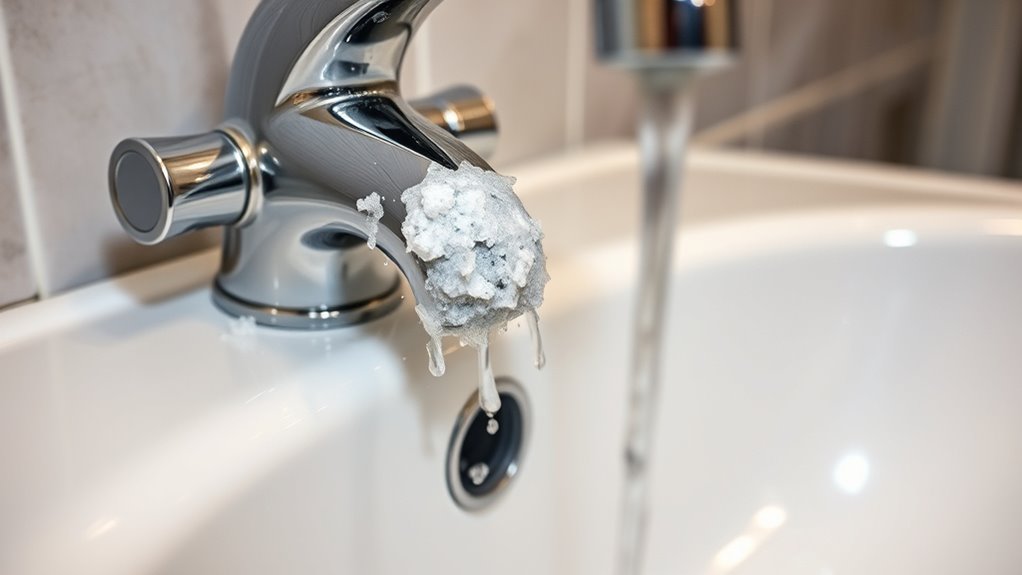
Mineral buildup often shows up in your home through visible signs that hard water is affecting your plumbing and fixtures. You might notice white, flaky residue on shower doors, sinks, and countertops, which is mineral deposits leaving a stubborn film. Soap scum tends to accumulate in bathtubs and sinks, making cleaning more challenging. Reduced water pressure or slow-draining faucets can indicate mineral blockages in pipes or aerators. You may also see cloudy or stained glassware and dishes after washing. Over time, showerheads and faucets can clog, decreasing water flow. These signs signal that minerals like calcium and magnesium are building up, affecting both your fixtures and the efficiency of your appliances. Recognizing these symptoms early helps you address hard water issues promptly. Understanding mineral buildup can help you take targeted steps to prevent further damage. Proper maintenance and water treatment solutions can reduce scale formation and prolong the lifespan of your plumbing. Implementing water softening systems can effectively manage mineral deposits before they cause significant problems. Being aware of potential health effects from mineral buildup can motivate proactive measures to safeguard your household. Additionally, regular inspection and cleaning of plumbing fixtures can help identify early signs of clogging caused by mineral deposits, allowing for timely intervention.
water softener system for hard water
As an affiliate, we earn on qualifying purchases.
As an affiliate, we earn on qualifying purchases.
Effective DIY Methods to Clean Hard Water Deposits
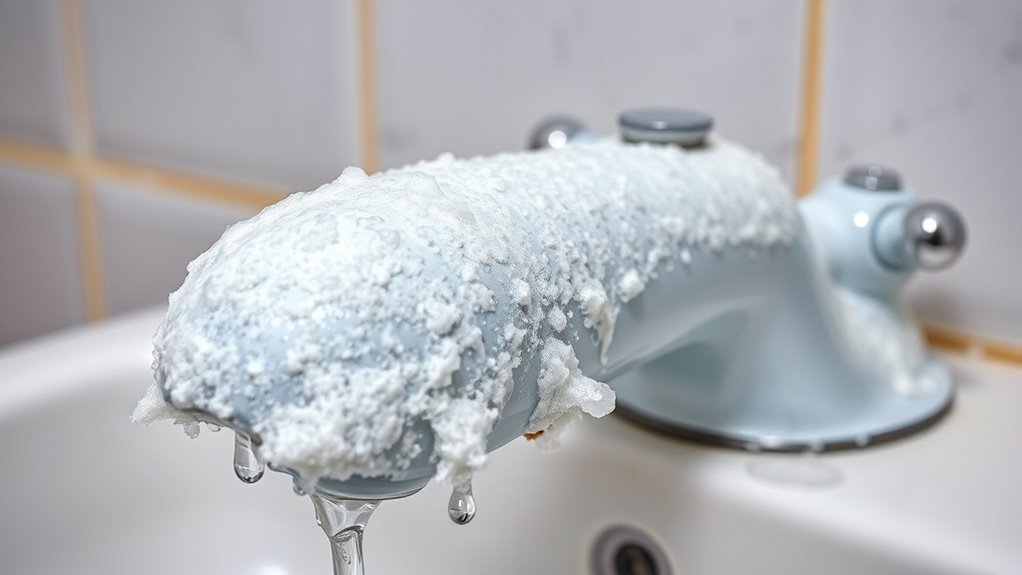
You can effectively tackle hard water deposits with simple DIY cleaning methods that don’t require professional tools. Start by mixing equal parts white vinegar and water in a spray bottle. Spray the solution generously on affected surfaces like shower doors, faucets, and tiles. Let it sit for at least 15 minutes to loosen mineral buildup. For stubborn deposits, scrub with a soft brush or non-abrasive sponge. For smaller fixtures, soak a cloth in vinegar and wrap it around the area, leaving it for 30 minutes before wiping clean. You can also create a paste with baking soda and vinegar to scrub away deposits on sinks and tubs. Rinse thoroughly with water afterward to remove residue. These methods are eco-friendly, inexpensive, and highly effective at restoring your fixtures.
As an affiliate, we earn on qualifying purchases.
Installing Water Softeners and Filtration Systems
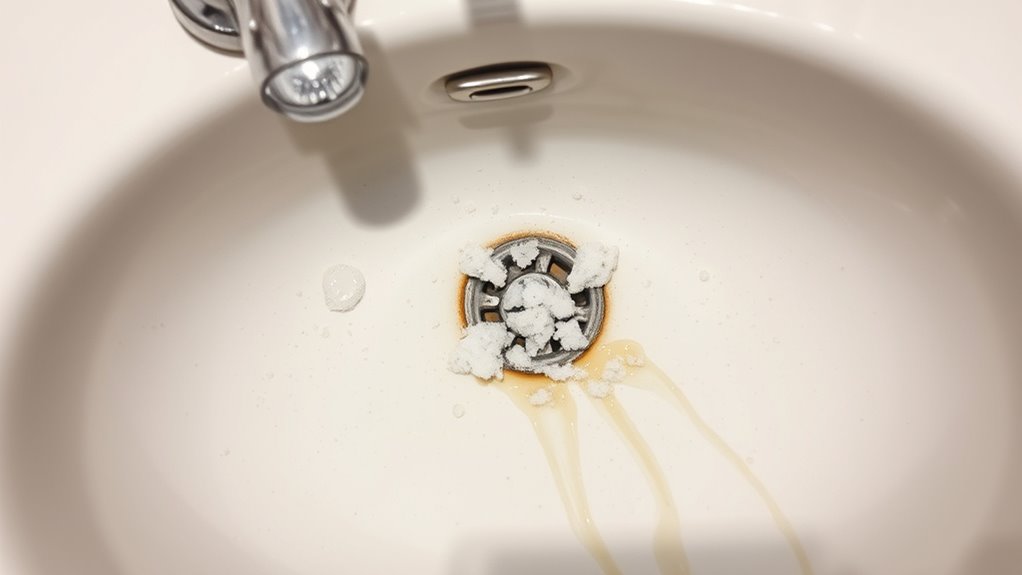
Installing water softeners and filtration systems offers an effective way to combat hard water problems by reducing mineral content before it reaches your fixtures and appliances. Water softeners typically use ion exchange resin to swap calcium and magnesium ions for sodium, preventing scale buildup. You’ll need to select a system that fits your household’s water usage and hardness level. Filtration systems, such as activated carbon filters, can also reduce minerals and improve water taste and odor. Installation involves connecting the unit to your main water line and ensuring proper drainage. These systems require minimal maintenance but should be checked regularly for salt levels or filter replacements. Properly installed water treatment systems can significantly improve water quality and help prevent mineral buildup. Additionally, choosing the right system capacity ensures your setup effectively handles your household’s water demand without over- or under-sizing. Using water softening techniques can also improve the longevity of your plumbing and appliances by reducing scale formation. By installing these systems, you’ll protect your plumbing, extend appliance lifespan, and enjoy cleaner, softer water throughout your home.
As an affiliate, we earn on qualifying purchases.
Regular Maintenance to Prevent Future Buildup
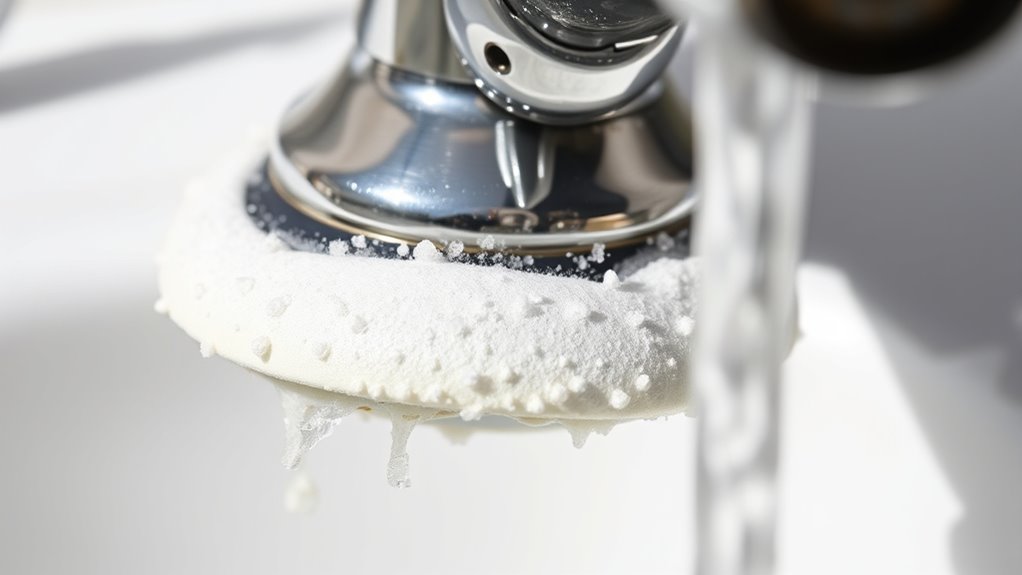
Regular maintenance plays an essential role in preventing the buildup of lime and minerals in your plumbing and appliances. Schedule annual flushing of your water heater to remove accumulated scale and keep it running efficiently. Regularly clean showerheads, faucets, and fixtures with vinegar or descaling solutions to prevent mineral deposits from clogging flow. Check and replace filters or softening systems as recommended to maintain water quality. Keep an eye on visible surfaces like sinks and tubs, and wipe down with acidic cleaners to prevent stubborn stains. Inspections of pipes and appliances help identify early signs of buildup, allowing you to address issues before they worsen. Understanding water chemistry can help you choose the most effective descaling methods. Recognizing hard water characteristics can aid in selecting proper treatment options, ensuring your systems remain protected. Using water softening techniques can significantly reduce mineral buildup and improve appliance longevity. Additionally, understanding scale formation processes can help you develop targeted preventative strategies. Being aware of mineral deposits can also guide you in selecting the right cleaning products for maintenance. Consistent upkeep reduces long-term damage, saves money, and ensures your household water stays soft and free from mineral deposits.
Professional Solutions for Severe Mineral Accumulation
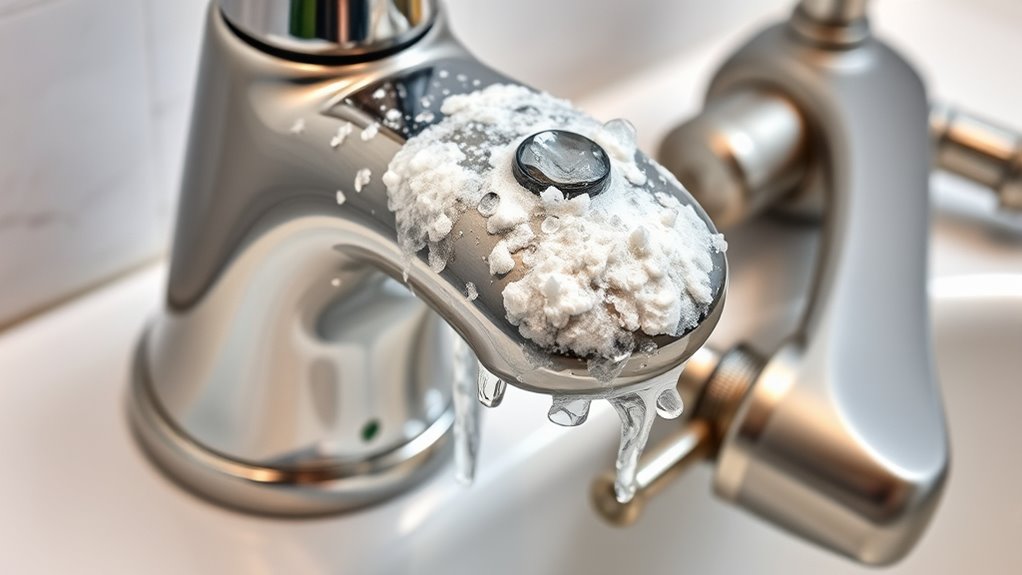
When mineral buildup becomes severe, professional interventions are often necessary to effectively restore plumbing and appliance performance. Experts can perform thorough descaling procedures using specialized equipment and high-strength descaling agents that aren’t available to homeowners. They may use hydro-jetting to remove stubborn deposits inside pipes or employ chemical treatments to dissolve scale on a large scale. For appliances like water heaters, professionals can safely flush out and descale components, preventing costly damage. In some cases, they recommend installing advanced water treatment systems, such as commercial-grade water softeners or filtration units, to prevent future buildup. Proper water treatment systems can significantly reduce the likelihood of future mineral accumulation, saving you time and money. Regular maintenance and professional assessments ensure your system remains free of harmful deposits and operates efficiently. Incorporating preventative measures into your routine can further reduce the risk of severe mineral buildup. Additionally, understanding the causes of mineral buildup can help you address the root of the problem more effectively. Implementing the right maintenance routines can extend the lifespan of your plumbing and appliances. Trusting professionals guarantees a complete fix for severe mineral accumulation.
Frequently Asked Questions
Can Hard Water Affect My Plumbing Lifespan Long-Term?
Yes, hard water can shorten your plumbing’s lifespan over time. The mineral buildup creates scale inside pipes, reducing water flow and increasing pressure on your system. This buildup can cause clogs, leaks, and even pipe bursts if left untreated. Regular maintenance, like installing a water softener or flushing your system, helps prevent long-term damage, ensuring your plumbing stays durable and functional for years to come.
Are There Health Risks Associated With Drinking Hard Water?
Drinking hard water is like sipping from a mineral-rich spring—you get beneficial calcium and magnesium, which support your bones and heart. However, excessive consumption might cause kidney stones or other health issues for some people. If you’re concerned, using a water softener or filtration system can reduce mineral levels. Overall, moderate hard water intake is safe, but staying informed helps you make the best choice for your health.
How Do I Choose the Right Water Softener for My Home?
You choose the right water softener by considering your home’s water hardness level, which you can test with a kit or get from your utility company. Look for a system that suits your household size and water usage. Consider the type—anion exchange is common—and check for features like regeneration cycles and maintenance needs. Finally, compare costs and warranties to make certain you select a reliable, efficient solution that keeps your water soft and your appliances protected.
Does Installing a Filtration System Eliminate All Mineral Deposits?
Installing a filtration system doesn’t eliminate all mineral deposits, but it considerably reduces their presence in your water. It filters out many calcium and magnesium particles, helping prevent buildup on fixtures and appliances. However, some minerals may still remain, especially if the system isn’t designed for complete removal. To truly prevent deposits, consider combining filtration with other solutions like water softeners or regular descaling. This way, you guarantee cleaner, softer water throughout your home.
Can Hard Water Damage My Appliances Beyond Scale Buildup?
Yes, hard water can damage your appliances beyond just scale buildup. It causes corrosion in pipes and components, shortens appliance lifespan, and reduces efficiency. Mineral deposits can clog valves, damage heating elements, and impair moving parts. Over time, these issues lead to costly repairs or replacements. To protect your appliances, consider installing water softeners or regular maintenance, and always use appropriate cleaning agents to minimize mineral-related damage.
Conclusion
Think of your home’s plumbing like a garden hose; over time, mineral buildup can clog the flow just like lime and minerals clog your pipes. Regular cleaning and maintenance are your tools to keep everything flowing smoothly. By staying vigilant—like checking your hose for blockages—you prevent costly repairs and keep your water crystal clear. With these simple steps, you’ll turn stubborn deposits into distant memories, ensuring your home’s water stays fresh and clean.
Evergreen bestsellers Picks
bestsellers
As an affiliate, we earn on qualifying purchases.